
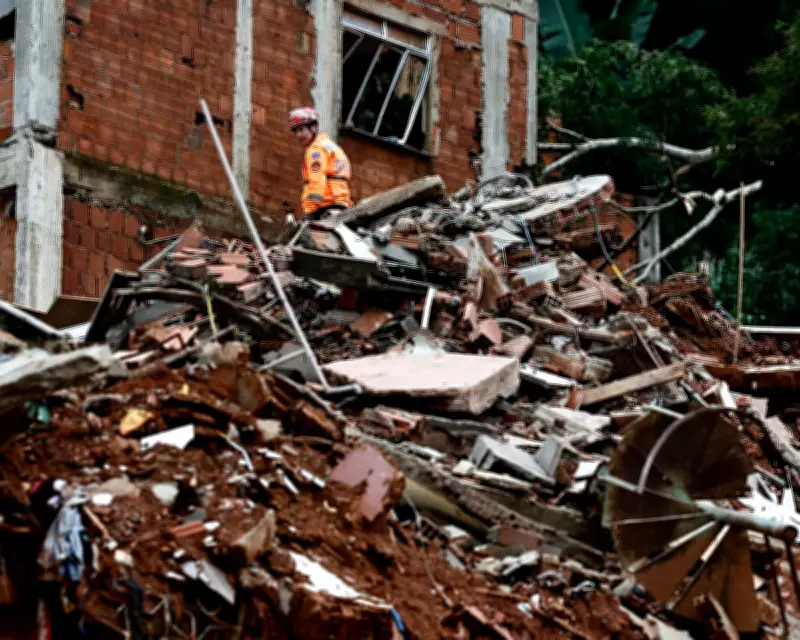
Catastrophic Flooding and Landslides Devastate Brazil Following Unprecedented Rainfall
Brazil is grappling with a devastating natural disaster after record-breaking rainfall triggered widespread floods and landslides across the country. The extreme weather event has resulted in multiple fatalities and caused significant damage to infrastructure, leaving communities in a state of emergency.
Unprecedented Rainfall Leads to Widespread Destruction
The torrential downpours, which set new records for intensity and duration, have overwhelmed drainage systems and saturated the soil, leading to catastrophic flooding in low-lying areas. In mountainous regions, the saturated ground has given way, causing deadly landslides that have buried homes and blocked vital transportation routes.
Emergency services are working tirelessly to rescue stranded residents and provide aid to affected communities. The scale of the disaster has stretched resources thin, with reports indicating that many areas remain inaccessible due to submerged roads and debris from landslides.
Human Toll and Infrastructure Damage
The human cost of this disaster is severe, with authorities confirming numerous fatalities and many more individuals injured or missing. Families have been displaced from their homes, seeking shelter in temporary accommodations as rescue operations continue.
Infrastructure has suffered extensive damage, including collapsed bridges, destroyed buildings, and disrupted power and water supplies. The economic impact is expected to be substantial, with recovery efforts likely to take months or even years in the hardest-hit regions.
Climate Context and Future Concerns
This event highlights the increasing frequency and severity of extreme weather phenomena in Brazil, which scientists attribute to broader climate change patterns. The record rainfall aligns with trends of more intense precipitation events in tropical regions, raising concerns about future vulnerabilities and the need for enhanced disaster preparedness.
Local and national governments are urged to invest in resilient infrastructure and early warning systems to mitigate the impact of similar events. Community awareness and evacuation plans are also critical components in reducing the risk to human life during such natural disasters.
As Brazil mourns the loss of life and begins the arduous process of recovery, the international community is called upon to offer support and solidarity. This tragedy serves as a stark reminder of the urgent need to address climate change and its devastating consequences on vulnerable populations worldwide.



