
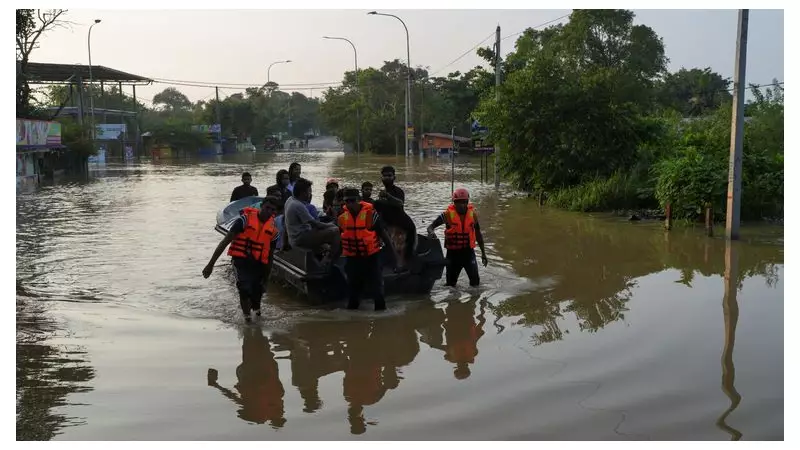
Rescue and recovery missions are continuing at pace across South and Southeast Asia, where the death toll from catastrophic flooding triggered by multiple cyclones has now surpassed one thousand people.
Nations Grapple with Unprecedented Devastation
Authorities have confirmed a grim and rising tally of fatalities. In Sri Lanka, at least 334 people have been killed, with rescuers still searching for 370 individuals reported missing after Cyclone Ditwah struck. The country's disaster management centre states that nearly one million people have been impacted, with close to 200,000 forced into emergency shelters.
President Anura Kumara Dissanayake described the cyclone as the "largest and most challenging" natural disaster in the nation's history. While train and flight services have resumed, schools remain closed as communities begin the arduous task of salvaging belongings from inundated homes.
In Indonesia, the confirmed death toll stands at 502, with a staggering 508 people still missing according to official figures. The rare tropical storm damaged more than 28,000 homes, affecting 1.4 million residents. President Prabowo Subianto, visiting the three worst-hit provinces, termed the event a catastrophe and pledged to rebuild critical infrastructure.
Regional Impact and Ongoing Crisis
The extreme weather has also severely affected Thailand and neighbouring regions. Thai authorities report at least 170 fatalities, with flooding in eight southern provinces impacting approximately three million people. The military has been mobilised for large-scale evacuations, including moving critical patients from flooded hospitals.
The city of Hat Yai, a major southern trading hub, experienced its highest single-day rainfall in 300 years on 21 November, with 335 mm (13 inches) falling, followed by days of relentless downpours. Prime Minister Anutin Charnivirakul has stated he expects displaced residents to be able to return home within a week, with the first batch of compensation payments being distributed.
The cyclone also brought heavy rain to India's southern state of Tamil Nadu, resulting in three confirmed deaths. The storm has since weakened into a deep depression off the coast of Chennai. In Malaysia, authorities are reporting at least three deaths and remain on high alert for further flooding, with 11,600 people still in evacuation centres.
A Long Road to Recovery
Across the affected nations, the scale of the disaster is becoming clear. Recovery operations are now underway, with people beginning to clear mud, trees, and wreckage from roads. The focus remains on search and rescue, providing shelter for the displaced, and assessing the monumental damage to homes, agriculture, and infrastructure.
This series of connected weather events underscores the increasing severity of extreme weather in the region, posing profound challenges for national disaster response systems and long-term climate resilience planning.



