
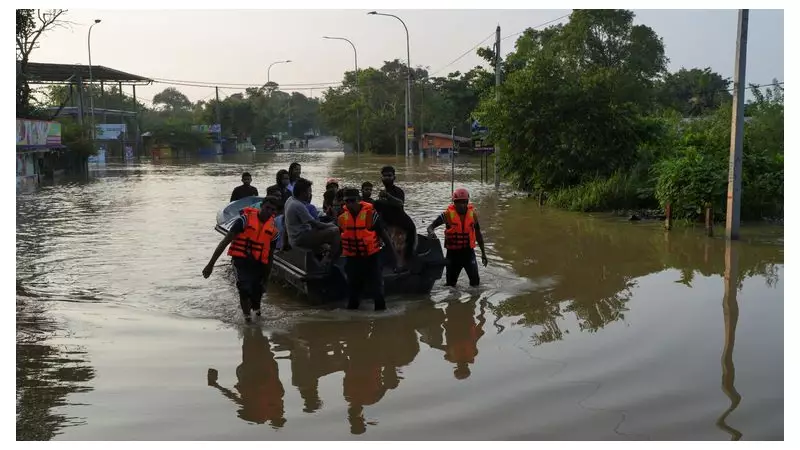
Rescue and recovery operations are intensifying across South and Southeast Asia following a series of devastating cyclones and storms that have left a trail of destruction, with the confirmed death toll now exceeding 1,300 people. Authorities report that hundreds more are still missing as emergency teams battle flooding and landslides.
A Region Submerged: The Scale of the Catastrophe
The combined impact of extreme weather events has resulted in a staggering loss of life. According to official figures, the total number of fatalities has reached at least 1,338. The breakdown by country is severe: 744 people have died in Indonesia, 410 in Sri Lanka, 181 in Thailand, and three in Malaysia. Rescuers are urgently searching for approximately 800 individuals who remain unaccounted for.
In a statement posted on X, King Charles and Queen Camilla expressed their profound sadness. "We are deeply saddened to hear about the devastating storms," they wrote, extending their "heartfelt condolences" to the families of the deceased and praising the work of emergency responders.
Sri Lanka's 'Most Challenging' Disaster
Sri Lanka has been hit exceptionally hard. President Anura Kumara Dissanayake described Cyclone Ditwah as the "largest and most challenging" natural disaster in the nation's history. The intense downpours, primarily affecting the central tea-growing hill country, triggered deadly landslides and forced around 218,000 people into temporary shelters.
Near the capital, Colombo, residents were seen desperately salvaging possessions from homes flooded by the overflowing Kelani River. While train and flight services, disrupted last week, have resumed, schools remain closed as the country focuses on recovery.
The cyclone also brought heavy rainfall to India's southern state of Tamil Nadu, where authorities confirmed three rain-related fatalities. By Monday, the storm had weakened into a deep depression off the coast of Chennai.
Indonesia Reels from Widespread Damage
In Indonesia, the aftermath of a tropical storm has been catastrophic. Torrential rains have affected 1.4 million people and damaged more than 28,000 homes. President Prabowo Subianto, who visited the three worst-hit provinces on Monday, labelled the situation a catastrophe and pledged to rebuild infrastructure. Nearly 300,000 Indonesians have been displaced.
The human cost is vividly illustrated by stories like that of Afrianti, 41, from Padang city in West Sumatra. "The water just rose up into the house and we were afraid, so we fled," she said. Returning days later, she found her home and business destroyed. "Nothing remains. I can only live near this one remaining wall," she told reporters, her family of nine now sheltering in a makeshift tent.
Historic Rainfall Paralyzes Southern Thailand
Thailand is confronting floods of historic proportions, impacting eight southern provinces and approximately three million people. The military has been mobilised to evacuate critical patients and reach those stranded by the waters.
The city of Hat Yai, a major southern trading hub, experienced a meteorological event not seen in centuries. On 21 November, the city was deluged by 335mm (13 inches) of rain—its highest single-day rainfall in 300 years. This was followed by days of continuous downpours, leading to widespread inundation.
Prime Minister Anutin Charnivirakul expects displaced residents to be able to return home within a week. The government began distributing the first batch of compensation on Monday, starting with 239 million baht (roughly £5.6 million) for 26,000 affected people.
Ongoing Threats and a Royal Call for Harmony
The crisis is not yet over. In Malaysia, where three deaths have been confirmed, authorities remain on high alert for potential second and third waves of flooding, with 11,600 people still in evacuation centres.
In their message, King Charles and Queen Camilla also highlighted the broader context of the tragedies: "These disasters remind us of the increasingly urgent need to restore the balance and harmony of Nature." As recovery efforts continue, the focus is on providing immediate aid to the millions affected while confronting the escalating challenges posed by extreme weather.



