
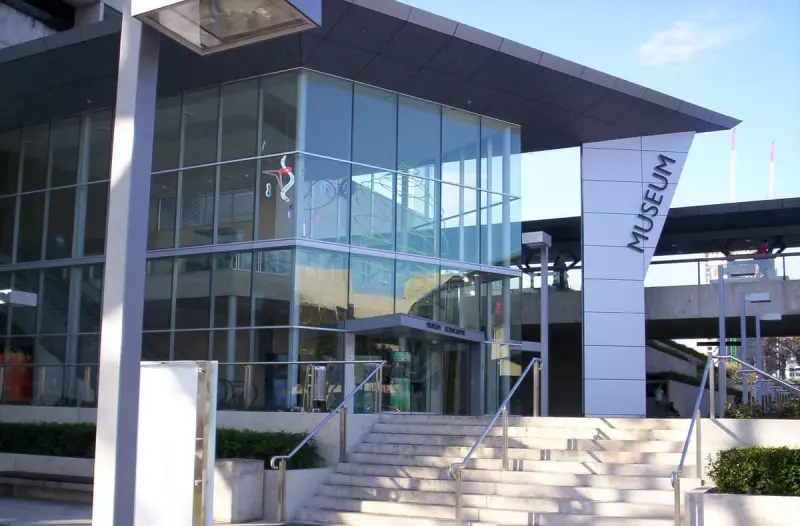
A major Australian museum is facing serious accusations of providing misleading information on the climate crisis to schoolchildren through a corporate-sponsored education scheme.
Fossil Fuel Funding for Education
The Queensland Museum's Future Makers teaching and learning programme has been sponsored by Shell's Queensland Gas Company since 2015. The partnership, which involves producing classroom resources and offering free professional development courses for teachers, has seen Shell contribute $10.25 million in total sponsorship to various museum programmes over the years.
However, a detailed review by the climate advocacy group Comms Declare has sparked controversy. The group claims the programme's materials on climate change deliberately ignore the root cause of the crisis: the burning of fossil fuels, including gas.
'Climate Obstruction Dressed as Education'
Belinda Noble, founder of Comms Declare, issued a stark condemnation. "This is climate obstruction dressed up as education," she said. "We wouldn’t let big tobacco sponsor teaching materials – fossil fuel companies shouldn’t shape how kids learn about the climate."
The analysis found that worksheets for students in years 7 to 10 explain rising greenhouse gases and rapid warming, but fail to state that the primary cause is fossil fuel combustion. Similarly, materials on ocean acidification for older students never identify fossil fuel burning as the dominant source of the chemical changes.
Instead, pupils are encouraged to design carbon capture and storage (CCS) systems. The teaching resources suggest this technology, under development by "many scientists," can "remove carbon dioxide from the atmosphere and oceans." Climate scientists widely agree that the foremost solution is to stop emitting CO₂ by ending fossil fuel use.
Widespread Reach and Academic Concern
The museum states the Future Makers resources have been downloaded 400,000 times, and Shell's support has provided free STEM training for 1,700 teachers. This scale of influence has alarmed experts.
Professor Lesley Hughes, a climate scientist and Climate Council councillor, said she was "appalled" a fossil fuel company was involved in science education for young people "who will be the ones to suffer the most from their climate-wrecking activities."
Dr Eve Mayes of Deakin University, who studies "petro-pedagogies," highlighted the inherent conflict. "Teachers are often struggling to find resources. To what extent is this steering how climate change is being studied?" she questioned.
Comms Declare argues the omissions "undermine students’ understanding of cause and effect" and erode foundational climate literacy. The group is calling for the museum to review and rewrite the materials and to end its association with Shell when current contracts expire.
In response, Queensland Museum defended the programme's outcomes, stating it inspires future scientists and builds essential STEM skills. It added that all resources align with state and federal curriculums and are reviewed periodically. Shell Australia declined to comment.
This case echoes previous criticism of Shell's long-running sponsorship of children's science programmes at Canberra's Questacon, which ended in 2022 after 37 years.



