
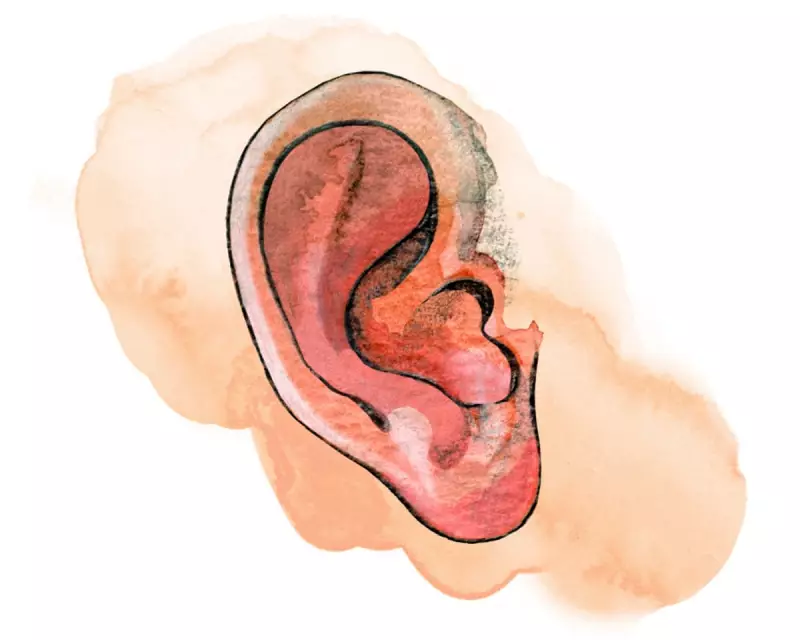
Have you ever wondered what your earlobes are actually for? Or whether camels exist in the wild? These are just the sort of quirky, profound questions children love to ask, and a new quiz is putting young minds to the test.
The Curious Case of the Earlobe
One of the quiz's standout questions probes a body part most of us take for granted: the earlobe. Contrary to popular belief, the fleshy lower part of our ear isn't just for holding jewellery or being pulled playfully. Scientists suggest earlobes may play a subtle role in enhancing our hearing. The theory is that their shape and composition could help to direct sound waves into the ear canal, or even assist in distinguishing the location of sounds. While not as crucial as the inner ear, they are more than mere decoration.
The quiz, designed to spark curiosity, highlights how everyday anatomy can hold hidden functions, encouraging children to look at their own bodies with fresh eyes and inquisitive minds.
Bactrian Camels Roaming Free
Another question that might stump many adults concerns the habitat of camels. While we associate these 'ships of the desert' with domestic life in arid regions, wild populations do still exist. The critically endangered wild Bactrian camel is found in remote parts of China and Mongolia. These hardy creatures are distinct from their domesticated cousins and survive in some of the most inhospitable environments on Earth.
This fact challenges the common assumption that all camels are beasts of burden, revealing a fascinating thread of wildlife conservation and natural history for young learners to explore.
Fostering a Love for Learning
Quizzes like this serve a greater purpose than simple trivia. They are a tool for engagement and education, transforming random questions into gateways for deeper discovery. By tackling subjects from biology to geography in a fun, accessible format, they help cement knowledge and encourage independent research.
The blend of human biology and animal facts demonstrates the interconnectedness of knowledge. Understanding our own bodies can lead to an appreciation for wildlife and the diverse adaptations found in nature. For parents and educators, such content is a valuable resource for nurturing a lifelong passion for science and the world around us.
Ultimately, the next time a child asks an unexpected question, it's worth diving into the answer together. You might both learn something surprising about everything from the humble earlobe to the distant deserts where wild camels roam.



