
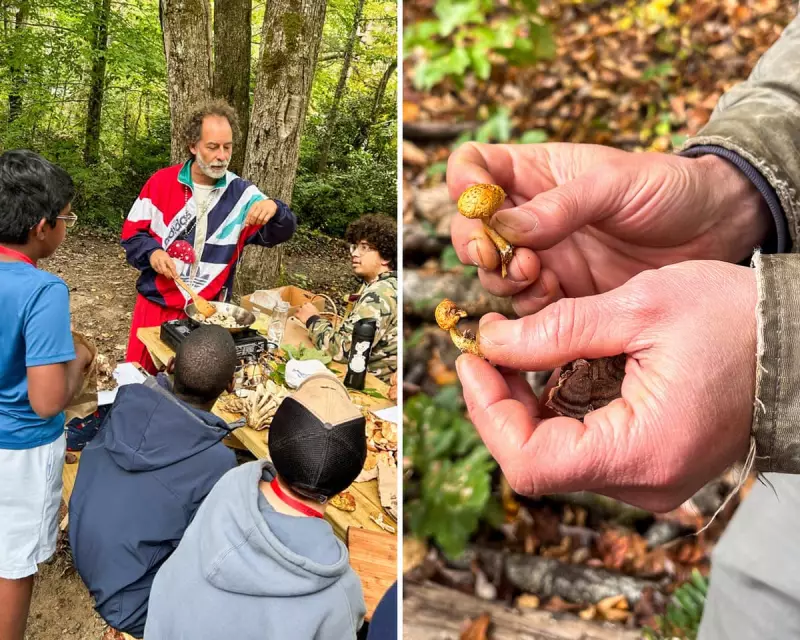
In the lush forests surrounding Asheville, North Carolina, a quiet revolution is taking root. Foraging schools throughout the region are experiencing unprecedented demand as growing numbers of people seek to reconnect with their food sources and learn ancient gathering skills.
The Rising Popularity of Wild Food Education
Local institutions like No Taste Like Home and the Asheville Wild Food Adventure have seen enrollment numbers surge dramatically in recent years. What began as niche workshops for dedicated naturalists has transformed into mainstream education, attracting everyone from professional chefs to families seeking outdoor activities.
The appeal extends beyond simple food gathering. Participants frequently cite multiple motivations for joining foraging courses, including food security concerns, desire for organic produce, and reconnecting with ancestral knowledge. Many students report that learning to identify edible plants has fundamentally changed their relationship with the natural world around them.
Balancing Education with Environmental Responsibility
As interest grows, instructors emphasise the critical importance of sustainable practices. All reputable foraging schools teach the 'rule of thirds' principle - taking only one-third of any available plant while leaving the remainder for wildlife and natural regeneration.
Alan Muskat, founder of No Taste Like Home, explains their approach: "We're not just teaching people what to pick. We're teaching them how to see the landscape as a living pantry while understanding their role as stewards. Sustainable foraging means ensuring these resources remain abundant for future generations."
Courses typically cover plant identification, seasonal availability, ethical harvesting techniques, and safe preparation methods. Many include cooking demonstrations showing how to transform wild ingredients into restaurant-quality dishes.
Community Impact and Economic Opportunities
The foraging movement is generating unexpected economic benefits throughout the Asheville region. Several local restaurants now feature wild-gathered ingredients on their menus, often sourced through relationships with foraging school graduates.
Meanwhile, the schools themselves have become significant local employers, hiring expert foragers, botanists, and culinary professionals. Some institutions have expanded to offer advanced certification programs, creating new career pathways in environmental education and sustainable food systems.
The community aspect proves equally valuable. Regular foraging walks have become social gatherings where knowledge is shared across generations. Many participants describe these experiences as therapeutic, combining physical activity, mental stimulation, and connection with like-minded individuals.
As urban expansion continues and climate patterns shift, the skills taught at Asheville's foraging schools may become increasingly valuable. These institutions aren't just teaching people how to find food - they're cultivating a deeper understanding of our place within natural ecosystems and building resilient communities prepared for an uncertain future.



