Wellington's Environmental Crisis: Sewage Disaster Closes Beaches
Wellington, New Zealand's capital, is grappling with what local authorities have described as an "environmental disaster" after a catastrophic failure at a key wastewater treatment plant unleashed millions of litres of untreated sewage into coastal waters. The incident has triggered urgent public health warnings and raised significant concerns about ecological damage.
Catastrophic Plant Failure
The crisis began when heavy rainfall caused severe flooding at the Moa Point wastewater treatment plant. According to Wellington Water, the lower floors of the facility were completely inundated, forcing sewage to back up into the 1.8-kilometre outfall pipe designed to discharge treated wastewater into Cook Strait.
With the primary system compromised, untreated sewage began flowing through a much shorter five-metre outfall pipe directly into the waters off Wellington's south coast. Wellington Water chief executive Pat Dougherty confirmed that approximately 70 million litres of raw wastewater had already leaked into the marine environment.
Wellington mayor Andrew Little characterised the situation as a "catastrophic failure," stating: "This is a sewage plant processing the sewage for a big city, and it has completely failed, it just completely stopped."
Public Health Emergency
In response to the crisis, authorities have issued stringent warnings to Wellington residents:
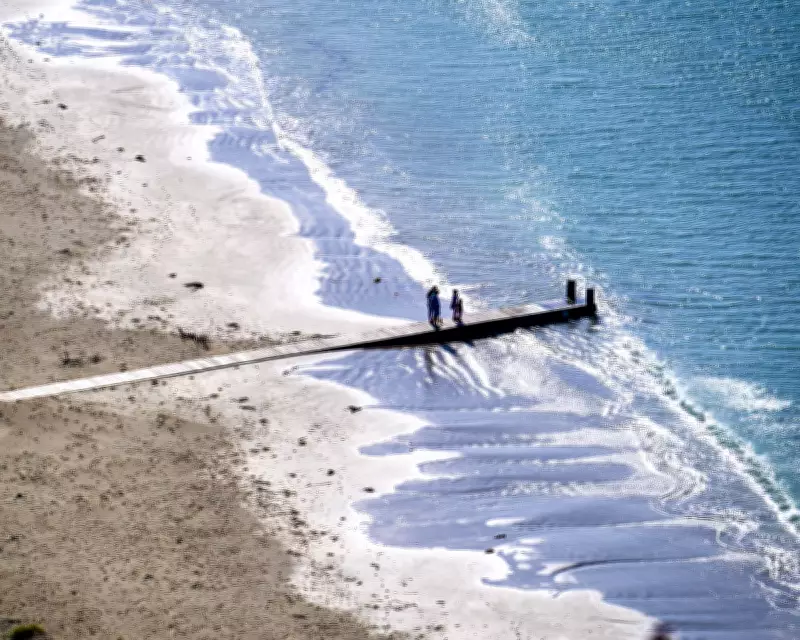
- Do not enter the water at affected beaches
- Do not collect seafood from the area
- Avoid walking dogs on local beaches
The New Zealand Department of Conservation has expressed extreme concern about the situation. Principal marine science adviser Shane Geange warned: "Raw sewage and wastewater entering a marine environment poses an immediate and severe threat to a wide range of ecological functions and species, but I think the primary concern is around the public health concern which Greater Wellington health authorities are actively managing."
Partial Restoration Efforts
Wellington Water has managed to partially restore some operations at the damaged facility. The company reported that it had reinstated operation of the long outfall pipe and the screening system that removes sanitary products from wastewater.
Currently, the system can pump 900 litres per second of wastewater through the 1.8-kilometre outfall pipe. While this handles most daily wastewater during average conditions, peak flows still require use of the problematic short outfall pipe.
The company emphasised that discharging screened wastewater through the longer pipe allows for greater dilution in Cook Strait, reducing the amount of untreated wastewater flowing around the coastline. However, they cautioned that public health risks remain significant and could not provide a timeframe for full resolution of the complex situation.
Economic and Community Impact
The sewage spill has already begun affecting local businesses and residents. Dave Drane, owner of Dive Wellington, highlighted the financial consequences: "It's going to affect us financially in lots of ways. Even the bad advertising from it, where people think: 'Well, I'm not going to learn to dive in Wellington,' but also the bookings that we'll have to cancel." He reported that up to 30 students had already cancelled planned dives in the nearby reserve.
Local residents have expressed reluctance to use affected areas. One surfer named Angus told media: "I didn't want to go there because it looked like I don't know... toilet paper or jellyfish, so I was like I don't really want to go in on either of those."
Ongoing Monitoring and Concerns
The Department of Conservation is working with local authorities to determine how far the sewage plume has spread through Wellington's marine environment. The situation represents a significant challenge for New Zealand's capital, with repairs to the wastewater treatment plant expected to take several months to complete.
This environmental emergency highlights the vulnerability of urban infrastructure to extreme weather events and raises important questions about wastewater management in coastal cities. As Wellington Water continues restoration efforts, residents face an extended period of disruption and environmental concern along their cherished coastline.