
The Carbon Cost of Saying 'I Do' in Australia
The carbon footprint of the average Australian wedding is greater than what a typical household produces in a year, according to recent environmental analyses. With emissions reaching approximately 21.5 tonnes per ceremony, weddings significantly impact the environment, often due to high guest counts, travel, and resource-intensive traditions. This stark comparison highlights the urgent need for couples to adopt sustainable practices when planning their special day.
Rethinking Wedding Planning for Sustainability
Dr. Kate Luckins, author of Live More With Less, emphasizes that modern celebrations have shifted focus from meaning to spectacle, driven by consumerist pressures. She advises couples to start by identifying core values and using them as a guiding principle for every decision, from invitations to decorations. This approach helps reduce environmental impact while maintaining personal significance.
Strategies for Reducing Wedding Emissions
Venue and Guest Management: Most wedding emissions stem from travel and large gatherings. Experts recommend limiting guest lists to close family and friends and selecting a central location to minimize air and car travel. Hosting both ceremony and reception at the same venue eliminates additional transportation emissions. Michelle Miles, founder of the Sustainable Wedding Alliance, suggests providing shuttle services from central hubs to further cut down on individual car use.
Sustainable Venue Selection: Choosing venues with eco-friendly features, such as renewable energy sources, kitchen gardens, and on-site accommodations, can drastically reduce carbon footprints. For example, Flowerdale Estate in Victoria operates primarily on solar power and utilizes natural gardens to minimize decorative needs, while implementing waste reduction programs like recycling and feeding leftovers to rescued animals.
Eco-Conscious Menu and Decor Choices
Food and Beverage: Wedding menus often contribute to emissions through meat-heavy dishes and imported ingredients. Miles advocates for a seasonal, local, and plant-forward approach, suggesting a 70/30 plant-to-meat ratio to lower carbon intensity. Sourcing from regenerative farmers supports carbon sequestration and soil health. For beverages, opting for local organic wineries and keg-to-tap options reduces packaging waste and transportation emissions.
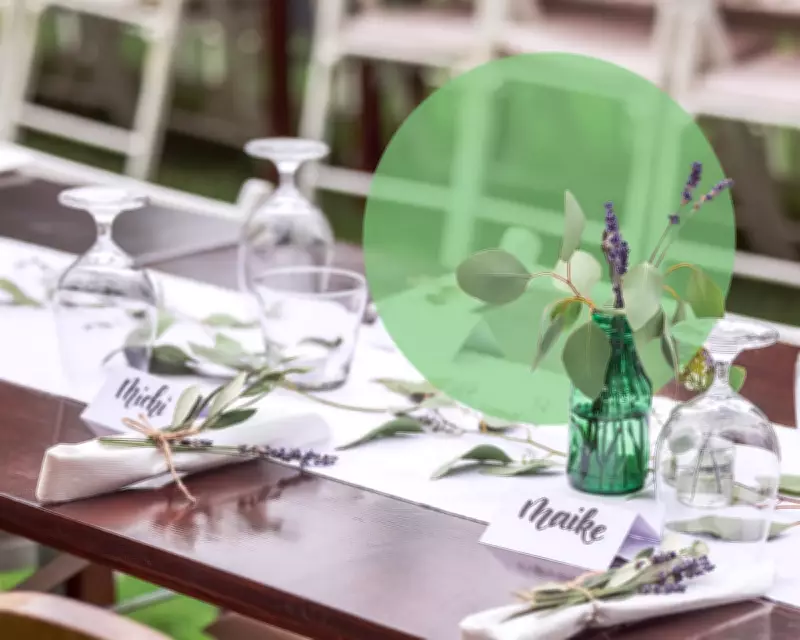
Decorations and Flowers: Prioritizing hired or second-hand items over new purchases minimizes waste. Miles recommends avoiding traditional plastics like balloons and synthetic favors, instead focusing on compostable or reusable elements. For flowers, choosing locally grown, seasonal blooms reduces chemical use and import emissions, with arrangements that can be donated or taken home by guests post-event.
Sustainable Fashion for the Wedding Party
The fashion industry's environmental impact is exacerbated by single-use garments and synthetic materials. Experts advise selecting natural fabrics like wool, cotton, and silk for wedding attire and exploring rental or resale options through platforms such as The Volte and Glam Corner. Luckins encourages couples to reconsider traditional bridal party expectations, such as matching dresses, to foster individuality and reduce waste.
By integrating these strategies, couples can significantly lower their wedding's carbon footprint, aligning their celebration with environmental values. As awareness grows, sustainable weddings are becoming not just a trend but a necessary shift towards reducing global emissions.



