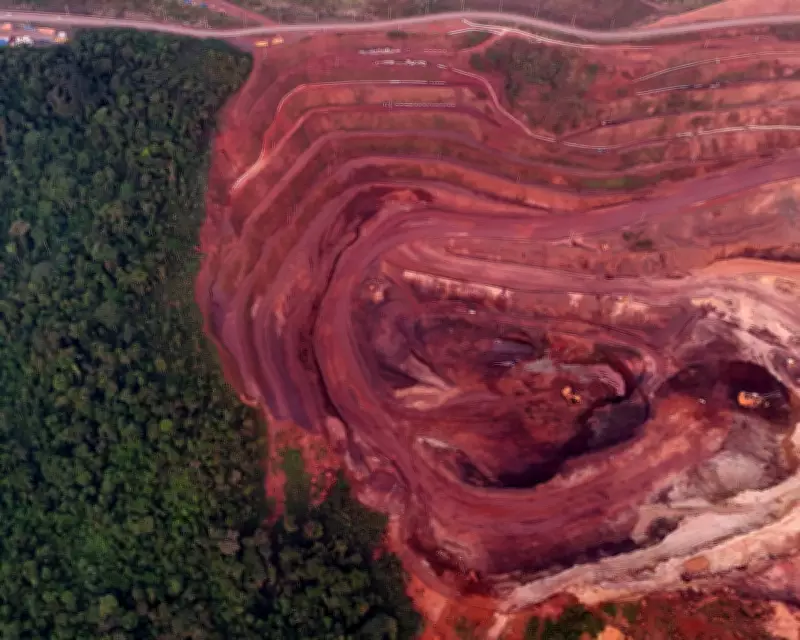
A new report has issued a stark warning that the world's rainforests are being pushed to a breaking point by escalating demands for resources such as timber, minerals, and agricultural land. The study, conducted by a coalition of environmental research organizations, highlights that deforestation rates have accelerated in key regions, including the Amazon, Congo Basin, and Southeast Asia, driven by global consumption patterns.
Critical Tipping Point
The report emphasizes that rainforests are approaching a critical tipping point beyond which they may lose their ability to regenerate. This would have catastrophic consequences for biodiversity, climate regulation, and the livelihoods of indigenous communities. The authors note that rainforests absorb vast amounts of carbon dioxide, and their destruction could accelerate global warming.
Drivers of Destruction
Key drivers include the expansion of agriculture for commodities like soy, palm oil, and beef, as well as illegal logging and mining. The demand for these resources is fueled by growing populations and rising consumption in developed and developing nations alike. The report calls for urgent action to reduce resource consumption and implement sustainable land-use practices.

- Agricultural Expansion: Large-scale farming for export crops is a primary cause of deforestation.
- Illegal Activities: Logging and mining operations often violate environmental laws.
- Climate Change: Droughts and fires, exacerbated by climate change, further weaken rainforests.
Global Implications
The loss of rainforests would not only affect local ecosystems but also have far-reaching global impacts. They are home to half of the world's plant and animal species and play a crucial role in water cycles and weather patterns. The report urges governments and corporations to enforce stricter regulations and promote alternative materials to reduce pressure on these vital ecosystems.
Environmental groups have called for immediate measures, including stronger enforcement of protected areas, support for sustainable livelihoods for local communities, and international cooperation to curb demand for deforestation-linked products. Without decisive action, the report warns, the world may witness the collapse of these irreplaceable natural treasures within decades.