
Scottish Farmers Pioneered Glyphosate Use in 1980s to Combat Damp Conditions
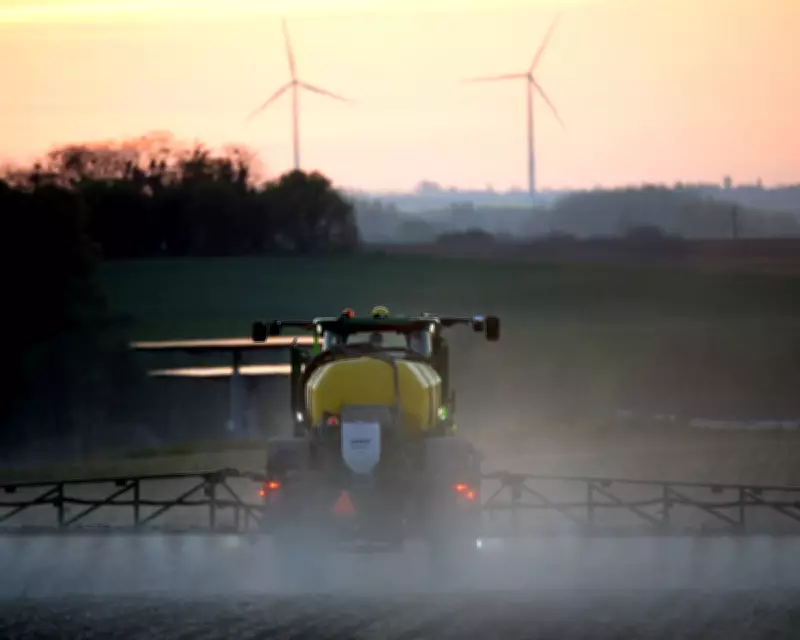
Scottish agricultural innovators in the 1980s first developed the practice of applying glyphosate herbicide to wheat crops just prior to harvest. Confronted with persistently damp conditions in the glens that prevented even drying of their crops, these farmers conceived a novel solution: accelerating the drying process by terminating plant growth one to two weeks before harvesting commenced.
Glyphosate, at that time a groundbreaking herbicide formulation that eradicated all plant-based life while sparing animal organisms, appeared ideally suited for this agricultural challenge. This innovative technique rapidly disseminated to other agricultural regions worldwide characterized by wetter and colder climatic conditions.
Modern Usage Has Expanded Dramatically Across Multiple Sectors
Four decades following its initial adoption, thousands of metric tonnes of glyphosate are now annually deployed across United Kingdom farmland, municipal green spaces, and domestic gardens. However, the safety profile of this widely used herbicide has become intensely debated, with its licensing renewal scheduled for December prompting calls for either complete prohibition or substantial restrictions.
Comprehensive analysis of governmental data reveals that British farmers applied more than 2,200 tonnes of glyphosate during 2024, with over half this quantity directed toward wheat and other cereal crops. These statistics demonstrate a tenfold escalation in chemical deployment over the preceding thirty-year period, with usage levels remaining elevated even after the World Health Organization's 2015 classification of glyphosate as "probably carcinogenic to humans." Bayer, the chemical's manufacturer, maintains that its herbicide products do not cause cancer.
Environmental Campaigners Sound Alarm Over "Addiction" to Chemical
"The United Kingdom's glyphosate dependency has escalated beyond manageable proportions," stated Nick Mole of Pesticide Action Network UK, the advocacy organization that conducted the data analysis. "Scientific evidence confirms glyphosate's associations with multiple cancer types and other life-threatening medical conditions. Furthermore, it inflicts environmental damage through water pollution and wildlife harm.
"Government authorities must urgently commit to phasing out—and ultimately prohibiting—glyphosate while supporting agricultural producers and local councils in transitioning toward safe, sustainable alternatives."
Agricultural Experts Explain Divergent Usage Patterns
Glyphosate functions as a comprehensive spectrum herbicide, eliminating all weed varieties including both grasses and broad-leaf species. This characteristic renders it an exceptionally potent tool within agricultural management systems. However, United Kingdom application methods differ substantially from American practices, where genetically modified crops resistant to glyphosate effects receive liberal spraying during active growth phases.
"The principal glyphosate application in Britain occurs before crop planting to eradicate all weeds developing within fields," explained Helen Metcalfe, an agricultural ecologist at Rothamsted Research in Harpenden, Hertfordshire.
Metcalfe identified the shift toward less destructive "regenerative" farming methodologies as a primary factor driving increased glyphosate utilization. The alternative approach would involve field ploughing to destroy weeds, but this would simultaneously damage soil structure—precisely what contemporary farmers strive to preserve. "Agricultural producers aim to protect soil integrity, prevent erosion, and enhance carbon sequestration within soils," Metcalfe elaborated. "Effective regenerative farming implementation frequently necessitates glyphosate application."
Health Concerns and Legal Actions Escalate Globally
Deployment of synthetic chemicals carries significant hazards. In the United States, Bayer has proposed a $7.25 billion settlement to resolve thousands of legal claims alleging the corporation failed to adequately warn consumers that Roundup—containing glyphosate—might cause cancer. Meanwhile, French governmental authorities have officially recognized connections between Parkinson's disease and glyphosate exposure, establishing compensation programs for affected agricultural workers.
"As with most chemical substances, exposure levels directly correlate with risk concerns," noted Wayne Carter, an associate professor at the University of Nottingham specializing in pesticide biological impacts. "Excessive exposure presents potential toxicity risks through dietary intake or inhalation pathways. Individuals should exercise particular caution regarding casual domestic application in garden settings."
The European Union implemented a 2023 prohibition against glyphosate utilization in pre-harvest desiccation processes, reflecting mounting apprehensions regarding chemical accumulation within food products.
Government Maintains Strict Regulatory Oversight Stance
A United Kingdom government spokesperson emphasized that glyphosate usage remains subject to rigorous regulatory controls, stating: "Pesticide approvals occur only when comprehensive evidence demonstrates no harm to human or animal health, alongside acceptable environmental impact assessments."



