
Let's be honest about gift-giving: many beautifully wrapped presents are used a handful of times before being relegated to a drawer, eventually finding their way to charity shops or, worse, landfill. For those concerned about the climate crisis, the holiday season can feel like a minefield of conflicting emotions. You want to show your loved ones you care with a meaningful present, yet the environmental impact of consumerism is hard to ignore.
Fortunately, this doesn't have to be your reality. It is entirely possible to give thoughtful, appreciated gifts that don't contribute to the problem—and some can even make a positive difference. Forget vague promises of carbon offsets; we're talking about presents that extend the life of existing products, eliminate single-use waste, or directly fund vital conservation work. The following ideas, some personally tested and others from highly-regarded organisations, are gifts you and any environmentally-minded recipient can feel genuinely good about.
Gifts That Empower Repair and Reuse
The iFixit Pro Tech Toolkit, priced at $59.96, is more than just a set of tools; it's a statement of support for the 'right to repair' movement. This comprehensive kit contains 64 precision bits, tweezers, a sorting tray, an anti-static wrist strap, and specialised tools like spudgers for gently prying open devices. It provides everything needed to repair everything from smartphones and laptops to gaming consoles and even drones.
One journalist tested the kit to fix a DJI Mini 3 Pro drone with a broken gimbal, successfully following iFixit's free online guides. However, the experience highlighted a key limitation: even after a perfect hardware repair, recalibrating the gimbal required third-party software because manufacturer DJI locks down its official app. This underscores exactly why supporting companies like iFixit is so crucial—they champion our ability to fix what we own.
Chimahaga Kintsugi Repair Kit offers a beautiful and philosophical approach to waste. This $179 kit, shipped from Japan, includes traditional urushi lacquer and gold powder to mend broken pottery, transforming cracks and breaks into gilded features. Kintsugi is the Japanese art of embracing imperfections, turning 'broken' into a unique part of an object's history.
Kensuke Ikuta, a kintsugi teacher for Chimahaga, notes that learning the art changes people's relationship with possessions. He often hears students say, 'If I had known about kintsugi earlier, I wouldn't have thrown away that piece I broke back then.' The process teaches patience—the lacquer requires specific warmth and humidity to cure—but the stunning result is well worth the effort.
Bee's Wrap Beeswax Wraps provide a reusable, compostable alternative to single-use plastic cling film. The Lunch Pack, costing $17.99, includes a large sandwich wrap and two medium-sized wraps. Made from organic cotton infused with beeswax, tree resin, and jojoba oil, they mould around food with the warmth of your hands. Simply wash with cool water and mild soap for reuse. As a certified B Corporation, Bee's Wrap meets rigorous social and environmental standards.
Experiences That Give Back to the Planet
Reef Conservation International Lionfish Expedition, starting from $995, is an adventurous and impactful gift for a diver. Based in Belize, the non-profit ReefCI trains volunteers to hunt the invasive lionfish, which devour native species and destroy Caribbean reef ecosystems. The package includes a week's stay in small haciendas on a private island, 12-13 dives, and direct involvement in marine conservation. The lionfish caught are often served for meals—they are reportedly mild and flaky—or sold to local restaurants. One participant enjoyed the experience so much they returned for a second trip.
Earthwatch Research Expedition is a bucket-list gift for the person who prefers doing to receiving. With trips starting from $2,400, participants work alongside scientists on genuine research projects, from studying orcas in Iceland to restoring coral reefs in Bali. Your contribution is tax-deductible in the US and covers food, lodging, and research costs. Earthwatch, which has been running since 1971, has a stellar rating from Charity Navigator and has contributed data to IPCC reports.
Ecobnb Gift Card allows your loved one to choose their own sustainable getaway. Unlike vague 'green' claims from some hotels, Ecobnb properties must meet at least five of ten strict sustainability criteria, such as using 100% renewable energy, recycling 80% of waste, and offering organic food. The platform features over 3,000 eco-stays across 95 countries. Digital gift cards are available in custom amounts and are valid for 12 months.
Gifts That Promote a Sharing Economy
Tool Library or Makerspace Membership is a brilliantly practical gift. Not everyone needs to own a table saw or a 3D printer, but sometimes you need access to one. Places like the Minnesota Tool Library offer memberships ($65-$250) granting access to thousands of tools, shared workshops, and DIY classes. Kate Hersey, the library's executive director, says it's 'functional, experiential and super impactful – both environmentally and personally!' This sharing model keeps tools in constant use rather than gathering dust in a garage. You can find a similar makerspace near you via the Makerspace website.
Amazon Certified Refurbished Electronics offer a smart way to buy tech. This programme takes returned or lightly used devices, tests and certifies them to work like new, and sells them at a significant discount with the same warranty as new products. The environmental benefit is clear: giving a device a second life prevents it from becoming e-waste and reduces the demand for new manufacturing, which is a carbon-intensive process. You can find everything from a Dell Chromebook for $59.99 to a 2020 iPad for $126.99.
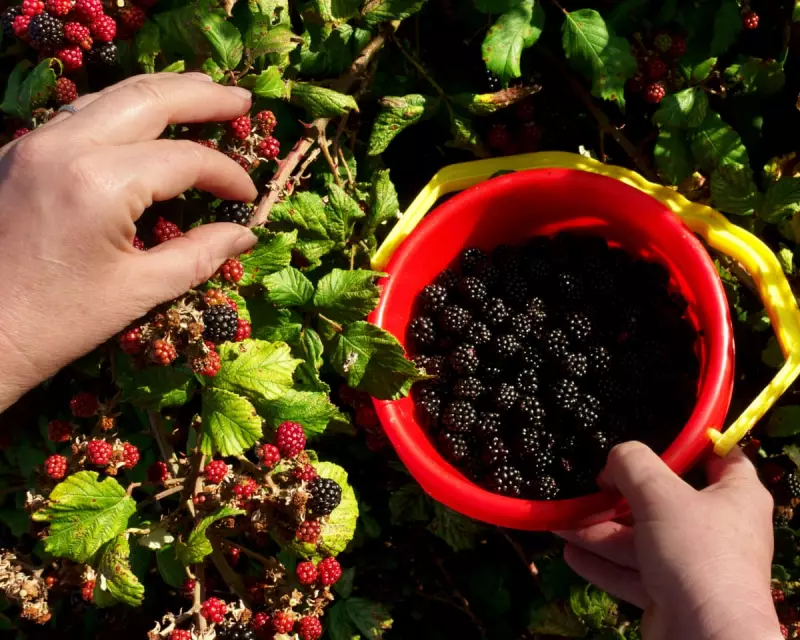
Foraging Walk or Wild-Foods Class connects people directly to their local environment. Guided by experts like Rebecca Lexa in Portland, Oregon, or John Kallas of Wild Food Adventures, these classes teach participants to identify and harvest edible plants and fungi. It's a gift that imparts a valuable skill and fosters a deeper appreciation for nature. Aspiring foragers are strongly advised to learn from credentialed experts, as misidentifying mushrooms can have serious consequences.



