
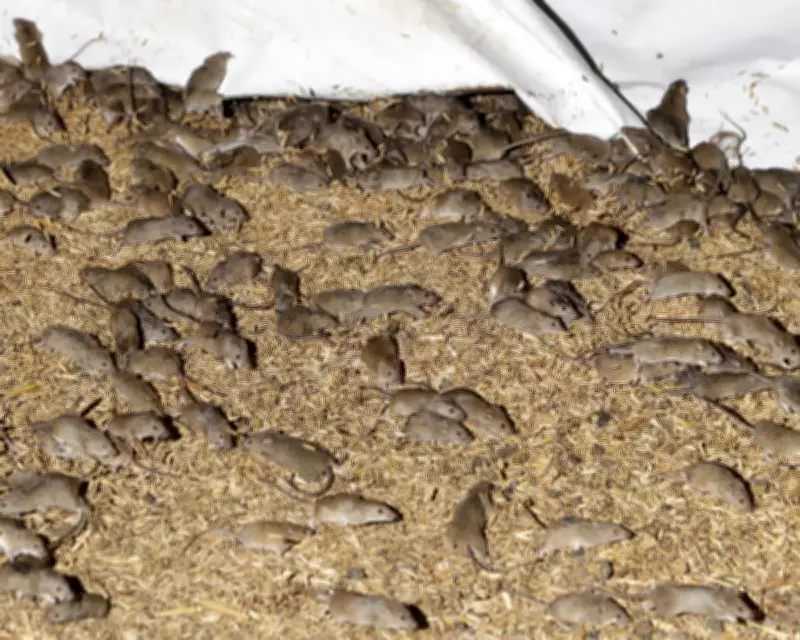
Mouse Plague Alarms WA and SA Farmers as Numbers Surge to Crisis Levels
A devastating mouse plague is putting grain farmers in Western Australia on high alert, with numbers also surging in South Australia, causing widespread concern in the agricultural sector. According to CSIRO researcher Steve Henry, more than 800 mice per hectare is considered a plague, and current reports from Western Australia indicate 3,000 to 4,000 burrows per hectare, a situation he describes as "real cause for concern" and a "plague under any circumstances."
Affected Regions and Escalating Threats
Areas around Geraldton, approximately 400 kilometers north of Perth, are most affected, with similar issues reported in the southern parts of the WA wheatbelt. In South Australia, mouse numbers on the Adelaide plains are already "extremely high" and pose a very concerning threat to farmers. The current situation could rapidly escalate due to the reproductive capabilities of mice; females can start breeding from six weeks old, producing up to 10 babies every 19-21 days.
Historical Context and Economic Impact
Mouse plagues occur in Australia every four to five years and can cause devastating economic, social, and environmental damage. The 2020-21 plague in eastern Australia resulted in an estimated $1 billion in damage, exposing people and pets to pesticides and diseases, increasing stress, and affecting livestock health through contamination of feed and water with mouse urine and carcasses. Historically, significant outbreaks often follow years of lower-than-average rainfall succeeded by rain, which provides abundant food and leads to uncontrolled breeding.
Psychological and Practical Challenges
The psychological impacts of a mouse plague are profound, as Henry explains: "Mice aren't like other problems that farmers have. If you've got a drought, you can go inside and close the door for respite. But with a mouse plague, you go inside and the mice are in the house—you literally can't get away from them." This adds to existing challenges, such as the effects of the Iran war on fuel and fertiliser costs, as noted by Agriculture Minister Julie Collins.
Urgent Calls for Action and Solutions
Farmers are calling for immediate measures to combat the plague. Andrew Weidemann from Grain Producers Australia emphasizes the need for access to higher-dose zinc phosphide (ZP) mouse baits, as current ZP25 strength does not provide adequate control. Mark Fowler, president of the WA Farmers grains section, highlights the urgency, stating: "We have an urgent problem that exists right now," with seeding underway making it the most effective time for baiting. The latest CSIRO mouse forecast recommends monitoring activity, applying baits at seeding in high-activity areas, and reducing other food sources.
Current Monitoring and Future Outlook
While mouse activity remains low in Victoria, New South Wales, and Queensland, the focus is on containing the crisis in WA and SA. Experts urge proactive steps to prevent further escalation, as the plague threatens not only crops but also the well-being of farming communities. Continued vigilance and support from authorities are crucial to mitigate the ongoing damage and help farmers sustain their livelihoods.



