
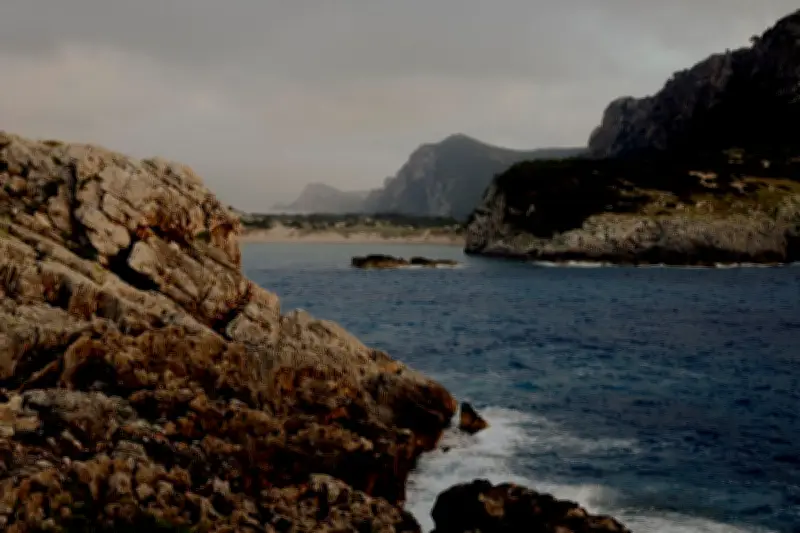
Voidokilia Bay, in the southwestern Peloponnese, with its crescent-shaped beach framed by a Mycenaean tomb and a medieval fortress, became a Hollywood set last spring for Christopher Nolan's The Odyssey, starring Matt Damon and Zendaya. The region of Messenia was chosen to evoke the epic nature of myth, but behind the cinematic postcard, the land is navigating a deep identity crisis.
Environmental Pressures Mount
Over the past 30 years, the average temperature in Messenia has increased by 1.5C. Kostas Lagouvardos, director of research at the National Observatory of Athens, said: “The combination of scorching summers and snowless winters drastically reduces groundwater recharge, exposing the region to chronic water scarcity precisely during the months of peak tourist influx.” The Gialova lagoon, a Natura 2000-protected site, hosts 17 habitats and almost 100 endangered species, but its equilibrium is on the verge of collapse due to evaporation, high temperatures, and scarce rainfall.
Tourism Development Strains Resources
According to the European research project Coastal, Messenia relies entirely on groundwater, increasingly depleted by tourism and irrigation. As freshwater declines, the lagoon experiences critical salinity for almost a third of the year, while wastewater, agricultural runoff, and nearby golf courses fuel algal blooms. Costa Navarino, a network of luxury resorts developed by Temes, includes four golf courses, a private marina, and countless swimming pools. Ioannis Spilanis, professor emeritus at the University of the Aegean, said: “Despite being presented as an eco-friendly luxury tourist facility, I don’t believe it is. The water consumption of such a model is simply incompatible with the resources of this region.”
Local Voices Call for Change
International arrivals at Kalamata airport have more than tripled over the past decade. Georgia Visviki, president of the Pylos Women’s Association, said: “These investments bring jobs, but they also put growing pressure on our environment and our identity. We don’t reject tourism; we want a model that works with the local community, not against it. The film will bring even more visitors, but Messenia isn’t ready for that pressure.”
Grassroots Alternatives Emerge
Inland, volunteers transformed an abandoned railway into a walking trail and its old station into a library in Dessillas. Representatives of the Ethos social cooperative said: “Reactivating the railway network doesn’t require new investments, since the infrastructure already exists, yet it would provide vital lifelines for these decaying inland villages. The Hollywood spotlight offers nothing permanent to Messenia; it is this land’s authentic history and landscape that give value to the film, not the other way around.” In Vasilitsi, the Apo Kardias collective produces organic olive oil, and Aris Christopoulos, a co-founder, said: “We want human-scale tourism, connected to the territory and capable of leaving deep traces, not scars.”
Future Choices
When The Odyssey reaches cinemas, millions will discover Messenia. Local communities face a choice between ever-expanding tourist developments and the quieter work of reviving traditions. The hope is that the story Hollywood leaves behind will be measured not in scars but in traces.



