
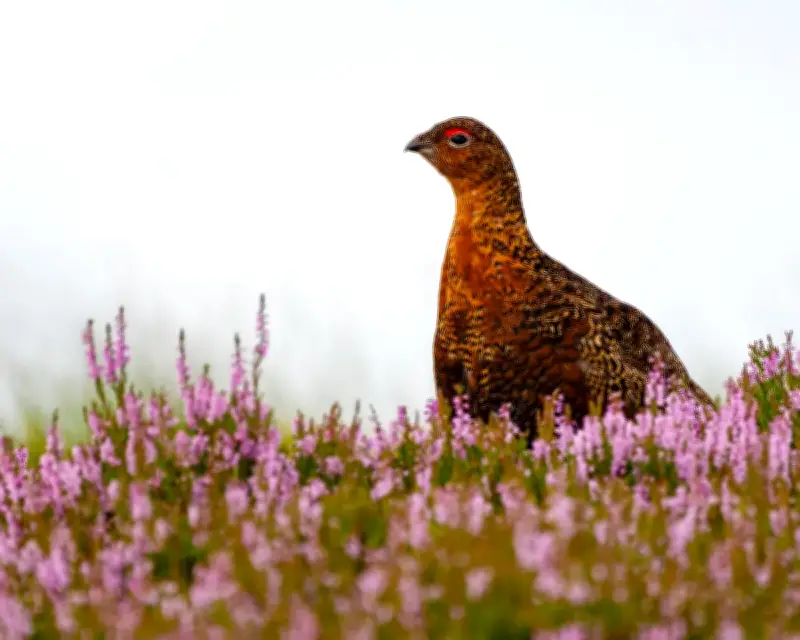
Government plans for a new licensing scheme for game shoots could end or severely curtail the centuries-long tradition of releasing tens of millions of pheasants into the countryside, and stop the poisoning of birds of prey. The scheme, which is being considered by the Department for Environment, Food and Rural Affairs (Defra), would require shooting estates to obtain licences to release birds, potentially reducing the current annual release of about 30 million pheasants.
How the licensing scheme would work
Under the proposed system, shooting estates would be given licences to release only a certain number of birds. Estates linked to the poisoning or shooting of birds of prey could lose their ability to host shoots. The scheme is modelled on an existing licensing system for grouse shooting in Scotland, where estates receive five-year licences as long as they follow a code of practice, including protecting habitat for other birds such as waders.
Beccy Speight, chief executive of the Royal Society for the Protection of Birds (RSPB), has been campaigning on this issue for years and is preparing documents for an "evidence sprint" to Defra. "We think this is a totally reasonable step to take. It is not to ban shooting in any sense; it is about saying we need shooting to be in a sustainable form, and it needs to be licensed so this wildlife crime can't continue," Speight said.
Impact on birds of prey and the shooting industry
Deaths of raptors such as buzzards, eagles and hen harriers are often linked to shooting estates because of fears from gamekeepers that they will prey on birds including grouse, partridge and pheasant. Natural England recently found five white-tailed eagles in Dorset that had died from the same brand of rat poison, and the Health and Safety Executive is investigating whether the poison was used legally. Seven satellite-tagged hen harriers were found poisoned or shot on or near grouse moors last year.
Speight said: "It makes me feel sick. All that work, these eagles are amazing birds. It is why we need licensing." She added: "We find the satellite-tagged bodies and that is probably just the tip of the iceberg - buzzards, for example, aren't satellite tagged so we can never find or test their bodies. It's a serious problem that is going on in our natural world."
Sustainable shooting and industry criticism
Many people shoot sustainably, killing what they can eat or give to friends and family, and keep estates in a wilder condition, promoting biodiversity. Under a licensing system, this would be preserved. Speight explained: "Shooting is a continuum, from small walk-up shoots up to very intensive bag-driven shoots, and it would probably result in more shooting at the start and middle rather than at that extreme end."
The shooting industry has been critical of Speight's campaigning. Roger Seddon of the Countryside Alliance described her as a "pied piper" and a "puppeteer controlling the environment secretary like a marionette". Speight dismissed the comments: "It's absolutely not true. It's the job of the RSPB to drive its cause, which is a world where people and nature thrive side by side."
Wildfires and environmental concerns
Speight also linked the shooting debate to wildfires, noting that large intensive grouse moors are made up of dry heather habitat, which involves draining wet peatland and creating a monoculture. "Heather is incredibly flammable. Dried out peat is releasing carbon into the atmosphere but also becomes very susceptible to fire," she said. She rejected claims that rewilding causes wildfires, calling them "nonsense" and adding: "There is no evidence to back that up. With rewilding, you get these more broken, natural mosaics with water in the landscape, which creates breaks and holds water in the landscape more. That has to be good from a wildfire perspective."
A Defra spokesperson said: "Sustainable shooting has an important place in our rural communities, and we want to make sure high environmental and animal welfare standards are in place so that the practice succeeds and we're protecting our ecosystems. We will work with key groups to explore other moves, such as licensing or other conditions for recreational game bird shooting and release. This will begin with evidence gathering and any changes will be subject to public consultation."



