
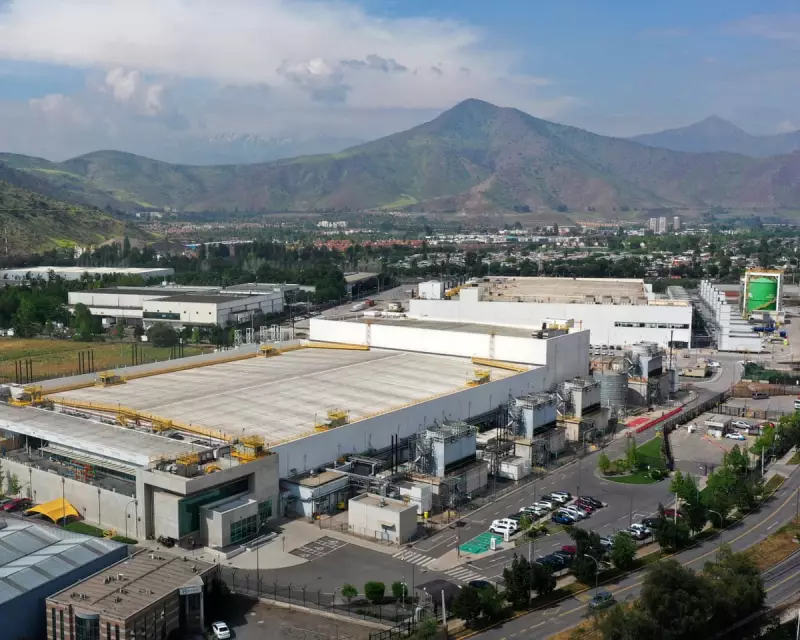
Across Latin America, a quiet revolution is brewing as local communities challenge the construction of enormous data centres powering the artificial intelligence boom. Despite promises of economic progress, residents in some of the world's driest regions are demanding transparency about the environmental costs of these technological behemoths.
Governments Prioritise Foreign Investment Over Environmental Concerns
According to Paz Peña, a researcher and fellow with the Mozilla Foundation, governments in Chile and Brazil – the two countries leading data centre development in Latin America – are actively courting foreign investment through tax exemptions and environmental deregulation. Leftwing governments are implementing national investment plans that favour corporate interests over community welfare and environmental protection.
In Chile, the government has made administrative changes to environmental assessment systems, effectively raising the threshold for data centres to require environmental impact assessments. This means communities no longer have access to crucial information about diesel consumption and water usage that was previously available through these assessments.
Legal Battles for Transparency
When communities request information about resource consumption, they frequently encounter claims of corporate secrecy from both companies and governments. This has forced residents to pursue legal action under regional agreements like the Escazú Agreement, which mandates environmental transparency.
A landmark case occurred in Uruguay, where residents of Montevideo faced extreme water shortages during a severe drought. When the government approved a Google data centre without disclosing its water requirements, citizens took the matter to court and won, with judges citing the Escazú Agreement to compel transparency.
Communities See Opportunity Amid Resistance
Interestingly, many communities don't view technology companies as the primary adversaries. Instead, they see data centre projects as strategic opportunities to raise environmental standards in neighbourhoods already plagued by polluting industries. Big tech companies' need to maintain positive public perception creates leverage for communities to demand higher environmental standards that could potentially extend to other corporate actors in their areas.
Despite the overwhelming scale and financial power behind data centre projects, experienced environmental activists in these regions continue their opposition. They understand the difficulty of challenging both corporations and governments but persist in their demands for information and accountability regarding the environmental impacts of these AI-powered facilities.



