
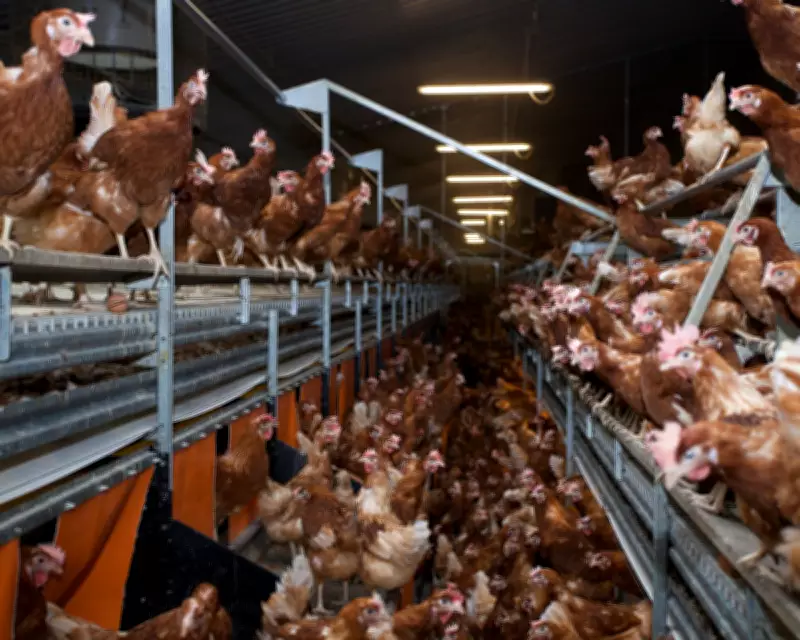
Government's Industrial Chicken Farm Expansion Plan Draws Strong Opposition
The UK government's intention to relax planning regulations to permit more industrial chicken farming units is facing significant criticism from environmental and animal welfare advocates. This controversial proposal would effectively maintain the current approach to chicken production, which many describe as one of the least resilient and most inhumane farming systems operating in the country today.
Multiple Sustainability Concerns Raised
Critics argue that industrial chicken farming demonstrates clear long-term unsustainability, with frequent disease outbreaks, escalating energy prices, and increasingly extreme weather events like heatwaves and flooding creating major operational challenges. These factors not only threaten industry stability but further compromise welfare standards for chickens already living in substandard conditions.
The government's justification for relaxing regulations centers on lower stocking densities, but opponents counter that this represents only a minor improvement to what they characterize as shockingly poor welfare conditions prevalent across UK industrial chicken units.
Vulnerability in Feed Supply Chain
Another critical concern involves the industry's dependence on imported soy for feed. The fast-growing, low-welfare chicken breeds used in industrial farming rely exclusively on this imported grain, creating significant vulnerability to trade disruptions. Current geopolitical tensions, including conflicts in regions like Iran, highlight this supply chain fragility that could severely impact UK chicken production.
Local Community Opposition Growing
The planning regulation changes also contradict growing local opposition to expanding industrial chicken operations. Community groups have successfully objected to recent planning applications, with some even pursuing legal action against producers and retailers for environmental damage caused by these facilities.
Calls for Alternative Farming Approaches
Opponents argue the government must abandon short-term thinking and instead implement measures to cap industrial unit numbers while establishing foundations for nature-friendly farming practices. Suggested alternatives include agroforestry and regenerative farming methods that could create a more resilient, high-welfare, and equitable future for UK agriculture.
This planning proposal reveals what critics describe as a worrying lack of ambition for the upcoming UK food strategy and 25-year farming roadmap, potentially committing the country to an unsustainable agricultural model despite available alternatives.



