
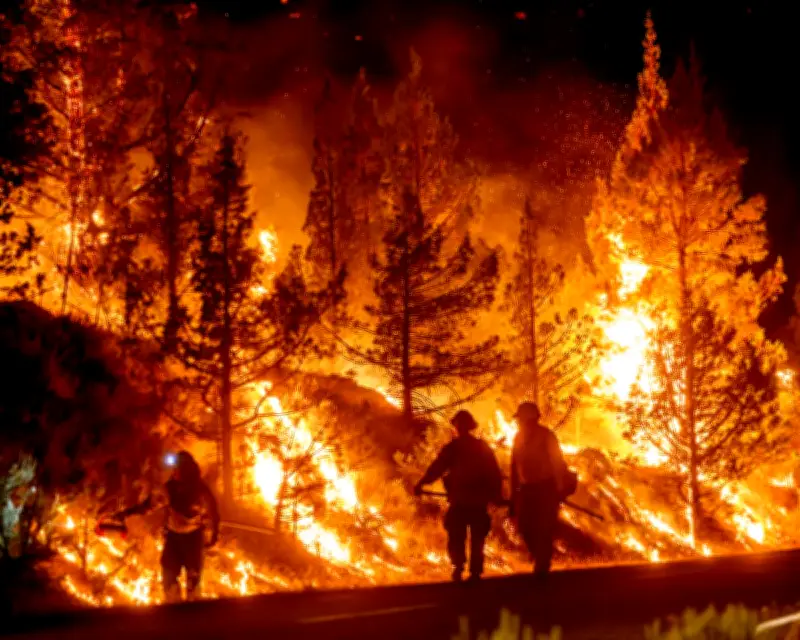
A heatwave scorching the western United States has significantly raised the risk of hazardous fire conditions, particularly in Oregon and Washington, where low humidity and powerful winds have put officials on alert for rapid wildfire spread. The National Weather Service has forecast blistering temperatures through early next week, with readings potentially climbing from 110F to 120F across the south-west, while the Pacific north-west is expected to see highs reaching into the 90s in the coming days.
Severe Wildfire Season Underway
Several western states are currently battling devastating wildfire seasons. In Oregon, approximately 1.8 million acres (730,000 hectares) have reportedly been torched as of July. A rare "particularly dangerous situation" red flag warning was issued for eastern Oregon on Saturday, where weather officials forecast gusts of wind ranging from 30 to 40 mph, creating extreme fire behavior potential.
In Washington, more than 1,000 fires have scorched roughly 425,000 acres, marking a level of destruction not seen since 2021, according to the state department of natural resources. State officials are also working to contain 12 large fires that cumulatively have set more than 200,000 acres ablaze, stretching firefighting resources thin.
Drought and Snowpack Shortfall
The active wildfire year comes as Washington grapples with drought conditions stemming from insufficient snowpack. The state relies on snowmelt to fill its rivers and reservoirs, but this year, precipitation fell more as rain than as snow, according to the Washington department of ecology. This has left landscapes tinder dry and vulnerable to ignition.
The confluence of drought, dangerous heat, and strong winds prompted Washington Governor Bob Ferguson to temporarily ban outdoor burning through the end of September. The ban aims to prevent human-caused fires during this high-risk period.
Officials Urge Caution
"Our firefighters are already stretched thin across the state, and with more heat and wind expected this weekend and for the rest of the summer, any new spark on our tinder dry landscapes can lead to another devastating wildfire," said Dave Upthegrove, the state's commissioner of public lands, in a news release. He emphasized the need for public vigilance and cooperation to avoid additional fire starts.
Residents in affected areas are advised to stay informed about local fire conditions, adhere to burn bans, and prepare emergency plans. The extreme heat and dry conditions are expected to persist, keeping fire risk elevated across the region.



