
Fuel Price Surge Casts Shadow Over Lincolnshire Farm's Spring Planting Season
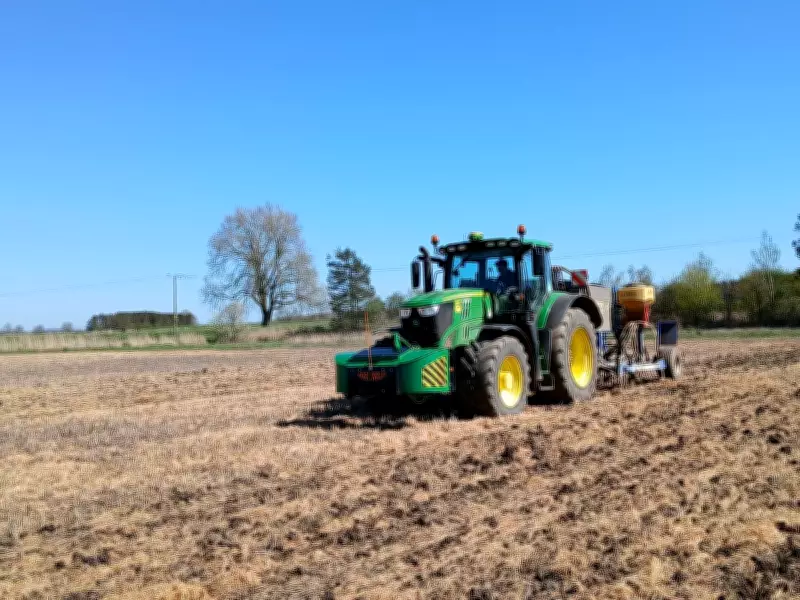
Spring has arrived in Brigg, Lincolnshire, bringing with it the annual ritual of planting delicate crops like peas. Against a backdrop of skylarks chirping, farmers slowly drill seeds across a 15-hectare field using a precision drill. However, this year's cropping season is marred by a new and pressing worry: skyrocketing fuel prices.
Financial Shock from Fuel Costs
Just six weeks ago, fuel costs for this operation stood at £7.50 per hectare. Today, that figure has doubled to £15 per hectare, delivering a severe blow to the farm's finances. With annual fuel consumption topping 50,000 litres, global events, particularly the Middle East conflict, are having profound consequences on the farm's bottom line.
Thankfully, the farm has adopted a low-disturbance approach over the past seven to eight years, disturbing only the top inch of soil. This method reduces tractor use and promotes healthier soil, offering some protection against fuel price volatility.
Broader Input Concerns and Regenerative Practices
Fertiliser prices add another layer of anxiety. Traditionally purchased in bulk every June, prices are now soaring, compounded by the absence of UK production to buffer costs. Minimising inputs like fuel and fertiliser is integral to the farm's regenerative approach.
Spanning 485 hectares, this carbon-neutral arable farm, as of 2024, employs no insecticides and dedicates over a quarter of its land to environmental measures. Chemicals are a last resort, not a first choice. The farm produces a variety of human-quality combinable crops, including:
- Milling wheat for Warburtons
- Milling oats
- Marrowfat peas for fish and chip shops
- Seed wheat
- Forage barley
- Spring barley
- Feed beans
- Forage maize
- Miscanthus
Wildlife Thrives Alongside Crops
The regenerative approach has unlocked the farm's potential for wildlife, creating a mosaic of interconnected habitats that allow species to escape human activity. This strategy has proven successful, with fish returning to ditches, otters reappearing in the River Ancholme, and indicator species like curlew and yellowhammer flourishing.
Weather Worries Loom Large
Mother nature remains a constant variable, with rainfall patterns causing concern. Since 1 October, the farm has received 550mm of rain, out of an annual average of 650mm-670mm. Farmers fear the tap will turn off soon, leading to dry conditions until August, precisely when moisture is least needed.
As the cropping season progresses, this Lincolnshire farm navigates the dual challenges of economic pressures and environmental stewardship, striving to balance productivity with sustainability in an uncertain world.



