
Cumbrian Farmers Voice Lamb Predation Fears Over Eagle Reintroduction Plan
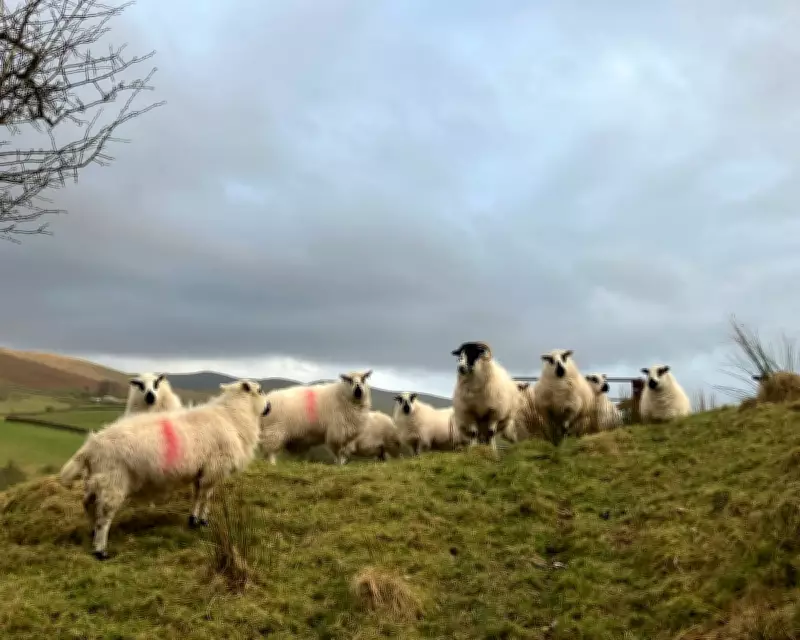
As spring arrives in Tebay, Cumbria, upland farmers are preparing for lambing season with heightened anxiety. A planned reintroduction of white-tailed eagles, also known as sea eagles, has sparked significant worry among agricultural communities who fear these apex predators will harm their flocks.
Personal Experience Fuels Farmer Concerns
Andrea Meanwell, entering her ninth spring at her Cumbrian farm, recalls devastating losses from last year's lambing season. "I put a large group of Ouessant sheep outside to graze when they were just four days old, and they disappeared without a trace," she explains. "Thirteen lambs lost completely."
The farmer eliminated common predators from suspicion. "It wasn't a fox or badger - we know what those predated carcasses look like," Meanwell notes. "It wasn't the mink that had been killing our hens either, since that was leaving dead bodies behind." While buzzards inhabit the area, they're not typically known for taking live lambs, leaving the mystery unsolved but the loss profound.
Controversial Reintroduction Sparks Debate
The planned white-tailed eagle reintroduction to Cumbria has become a flashpoint for local farmers. Many have been protesting at auctions and shepherds' meetings, expressing unhappiness with the proposal. The debate centers on whether these large raptors actually take live lambs - a question that remains contested within wildlife and farming circles.
Evidence from Scotland suggests the concern may be valid. NatureScot, Scotland's nature agency, operates a payment scheme specifically for sheep farmers to mitigate against sea eagle predation, officially acknowledging it as a legitimate issue. Problems appear more pronounced in areas with limited wild prey availability.
Alternative Approaches to Ecosystem Restoration
Meanwell advocates for a different conservation approach. "Instead of introducing an apex predator, it would be better to rebuild the wider ecosystem first," she suggests. "Create plenty of habitat and natural food sources, then eventually they'll come naturally."
The farmer runs what she describes as a nature-focused operation and takes pride in the biodiversity on her land. "The abundance of birds is a joy," she says. "I've seen so many nuthatches recently, and last week I spotted grey wagtails here for the first time, which makes me think we're doing something right."
She acknowledges the challenge but believes solutions exist. "It is tricky, but a balance can be found between helping nature and sustainable farming," Meanwell concludes, representing the complex position of farmers who value both their livelihoods and environmental stewardship.
Practical Farming Adjustments
In response to last year's losses, Meanwell has adjusted her farming practices. Her tiny Ouessant sheep, which must lamb indoors due to predation risks, began lambing on April Fools' Day this year. Based on her experience that later-born lambs kept inside for two weeks weren't taken when eventually put out, she plans to keep this year's lambs indoors for longer periods before releasing them to pasture.
The white-tailed eagle debate continues as Cumbria approaches peak lambing season in mid-April, with farmers hoping for grass growth to support their flocks while grappling with conservation proposals that could significantly impact their operations and livelihoods.



