
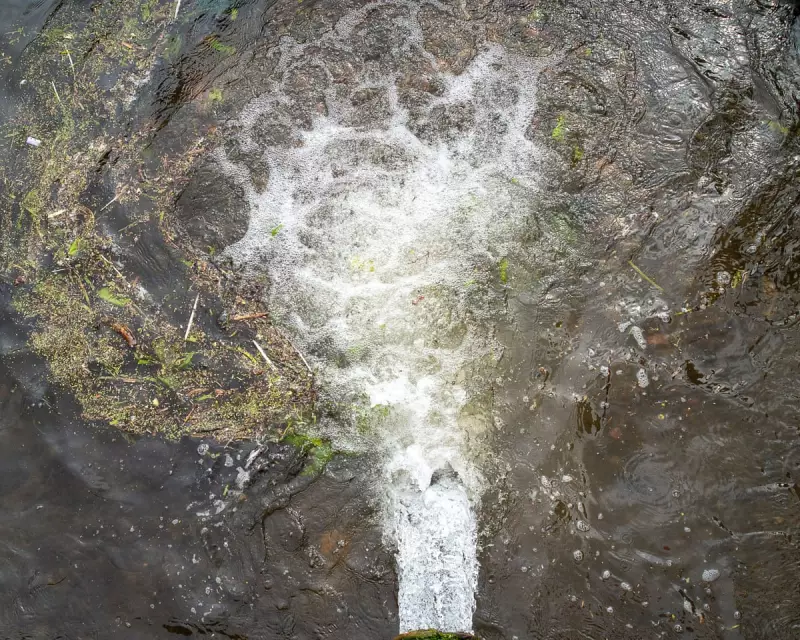
Communities across south-east England are launching the first coordinated legal action against Thames Water, alleging that chronic sewage pollution is ruining their rivers and threatening public health.
Legal Action Demands Accountability
Residents in 13 areas, including Hackney, Oxford, Richmond upon Thames, and Wokingham, are submitting formal statutory nuisance complaints to their local councils. They are demanding urgent action and accountability from the embattled water company.
The campaign centres on Thames Water's failure to complete promised upgrades to 98 treatment plants and pumping stations with the worst pollution records over the last five years. At several sites, the problem is not just raw sewage from storm overflows but also poorly treated effluent from Thames facilities, which poses a direct health risk.
Pollution Incidents and Health Impacts
The campaigners cite shocking examples of how the pollution is affecting lives. In Henley-on-Thames, a 16-year-old rower from the local club contracted E. coli after training on the river. His illness coincided with his GCSE exams, preventing him from revising and sitting some papers.
Other incidents include a kayaker in West Berkshire who fell ill after capsizing, and five children on Tagg's Island in Hampton, south-west London, who became sick after playing in the Thames near Hurst Park.
Citizen science testing has revealed the scale of the issue. Data obtained from Thames Water shows that treated effluent leaving the Henley plant contained E. coli at levels 30 times higher than safe bathing water standards.
Financial Failures and Regulatory Standoff
Thames Water, which is on the brink of insolvency, is seeking permission from regulator Ofwat to charge customers £1.18 billion over five years to fund the upgrades it previously failed to deliver. Ofwat has refused the full amount, allowing only £793 million, stating that bill-payers have already funded this work and any extra costs should be borne by the company.
This failure to act has driven communities to use the Environmental Protection Act 1990. Their complaints argue that the sewage pollution constitutes a statutory nuisance, defined as an activity that unreasonably interferes with the use of land and is likely to injure health.
Laura Reineke, founder of Friends of the Thames in Henley, said: "People here are fed up with living beside a river that's being treated like an open sewer. We've submitted a nuisance complaint because what Thames Water is doing is unacceptable."
The company has already been hit with a record £104 million fine by Ofwat for environmental breaches related to sewage spills. Campaigners from River Action, which is supporting the complaints, say local authorities now have a legal duty to investigate and can issue abatement notices to force Thames Water to act.
Amy Fairman of River Action stated: "This action is about fixing sewage pollution in the Thames for good, not compensating people for past failings. Councils now have a legal duty to act."



