
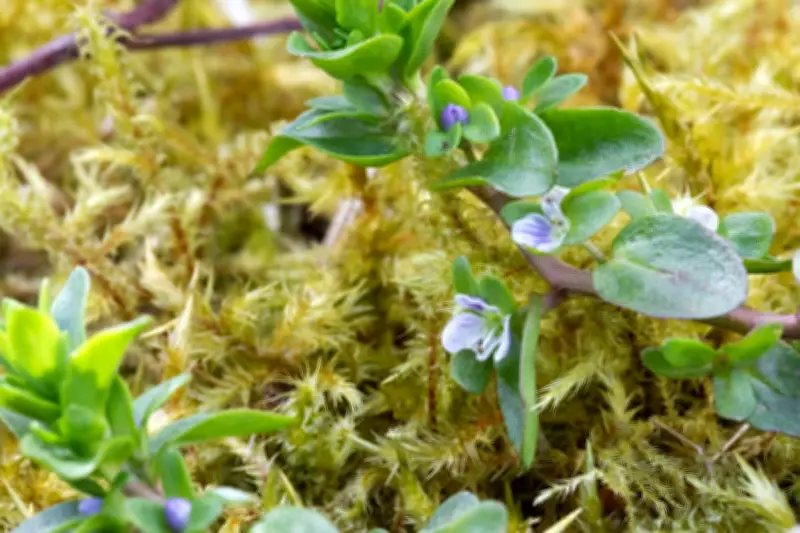
In the gentle hills of Frome, Somerset, a quiet revolution is unfolding right under our feet. The traditional garden lawn, once a symbol of manicured order, is undergoing a dramatic transformation driven by our changing climate. This shift is most evident in the soft, springy ground that now feels more like walking on pillows than on grass.
The New Ground Cover: Moss Takes Over
Kneeling close to the earth reveals an intricate tapestry of life where moss has become the dominant feature. This isn't just any ground cover—it's what poet Robert B Shaw described through Royal Horticultural Society references as "groundhugger" rather than groundcover. The specific species likely includes rough-stalked feather moss with possible haircap varieties, creating lush cushions that have fundamentally altered the garden's ecology.
Where Has All the Grass Gone?
The most striking change is the near disappearance of traditional grass blades. What was once a mowed lawn area last summer has been completely overwhelmed by this new mossy regime. The occasional blade of grass struggles to emerge through the thick moss blanket, creating a parti-coloured aesthetic that divides gardening opinions.
This transformation didn't happen overnight. The turf wars began in earnest last autumn as gardens across the region began showing the effects of what appears to be a new climatic normal. Relentless rain combined with unusually mild winter temperatures has created perfect conditions for moss proliferation while suppressing traditional grass growth.
Biodiversity in the Mossy Microcosm
Far from being a barren landscape, this mossy transformation has opened space for other life forms. Primroses now dot the green carpet alongside tiny thyme-leaved speedwell flowers. Even microscopic life thrives here, with roaming tardigrades—those enchanting creatures nicknamed "moss piglets"—likely inhabiting this moist environment.
The moss serves practical purposes too, providing soft bedding for blackbirds and creating ideal conditions for hole-nesting tits. The raggedy strips torn off beside greenhouses testify to how wildlife has embraced this new ground covering.
Gardening Responses to Climate Reality
As gardeners confront these changes, reactions vary dramatically. Some embrace the natural transformation, appreciating the ecological diversity and reduced maintenance. Others call in what might be termed green paramedics—lawn care services with reassuring names on their vans promising solutions through knapsack sprayers and chemical treatments.
Yet these interventions often prove temporary at best. The underlying climatic conditions that favor moss over grass continue, creating a cycle of treatment and regrowth that challenges traditional gardening approaches.
Adapting to Our Changing Gardens
Gardeners are gradually coming to terms with the realities of climate change and the need to adapt longstanding practices. The mild, drenched winter has given way to moss dominance, but the coming summer dryness will test how these transformed lawns fare under different conditions.
This period of observation and adjustment represents a broader shift in gardening philosophy. As climate patterns continue to evolve, so too must our relationship with our gardens. The mossy lawn of Somerset serves as both warning and opportunity—a visible manifestation of environmental change that invites us to reconsider what we value in our cultivated spaces.
The decision about what comes next—whether to fight the moss or embrace it—reflects larger questions about how we adapt to our changing world. One thing remains certain: the ground underfoot will never be quite the same again.



