
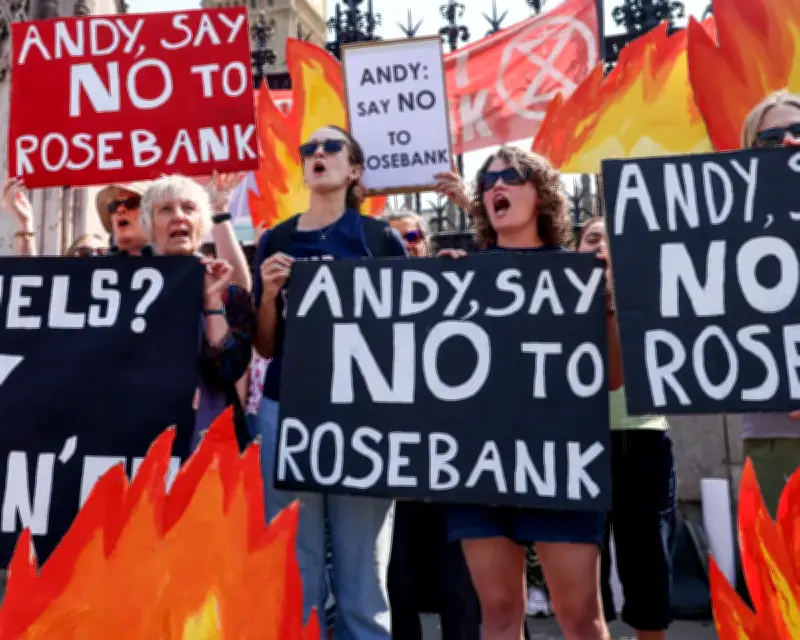
The impending approval of new oil and gas drilling in the North Sea by Labour's Andy Burnham is set to deliver minimal economic benefits while risking significant political losses, according to a column by George Monbiot in The Guardian. The Jackdaw gasfield, likely to be approved this week, will create just 27 direct full-time jobs, while the Rosebank oilfield, expected to follow, will support 450 UK-based jobs over its lifetime. In contrast, the UK's net zero economy already employs 300,000 people directly, with a further 400,000 jobs planned, and the broader green economy employs over 600,000.
Economic Impact and Energy Security
Monbiot questions whether Burnham's rationale is to help struggling workers or consumers, but argues the decision fails on both counts. The gas from Jackdaw will make a negligible contribution to supply, with no significant effect on energy bills or security, while renewables would offer greater benefits. Oil from Rosebank is unlikely to be refined in Britain due to limited domestic capacity. A recent estimate suggests that the climate damage from the fields' extra emissions would outweigh any economic benefits several times over.
The column highlights that the two greatest threats to the global economy are climate breakdown, which could trigger comprehensive economic collapse, and the AI bubble, which the Bank of England governor warns could burst with dire consequences. Monbiot criticizes governments for accelerating both forces under the guise of "growth."
Diplomatic and Political Repercussions
Monbiot argues that the small fossil fuel output allows politicians to downplay climate impacts, but the diplomatic implications are significant. The UK's leadership in international climate efforts is undermined when it refuses to leave fossil fuels in the ground, weakening its negotiating position. He suggests Burnham may hope the decision appeases Reform UK, the Conservatives, or Donald Trump, but asserts such appeasement is futile.
The political risk is enormous, as the approval is a defining issue for many Labour MPs and voters considering abandoning the party for a progressive alternative. If Green party leader Zack Polanski wins the seat vacated by Keir Starmer, this policy could be a major factor. Monbiot draws parallels to Starmer's former chief of staff Morgan McSweeney's tactics, which he says contributed to Starmer's downfall.
Government Preparedness and Social Inequality
Environment secretary Angela Eagle recently suggested storing extra food at home as preparation for potential disasters. Monbiot criticizes this as trivializing the scale of the threat, noting that the UK government refuses to maintain strategic food reserves. In a societal catastrophe, vulnerable populations without the means to store supplies would be hit first and worst, leading to social breakdown within days.
The column concludes that governments are spending immense political resources on issues with little impact on welfare, while failing to address the most serious challenges. Monbiot draws a stark comparison to the Trump administration's fascination with "end times," questioning whether the outcomes differ significantly. The final message is that the UK government is not serious about preventing climate catastrophe or preparing for its consequences.



