
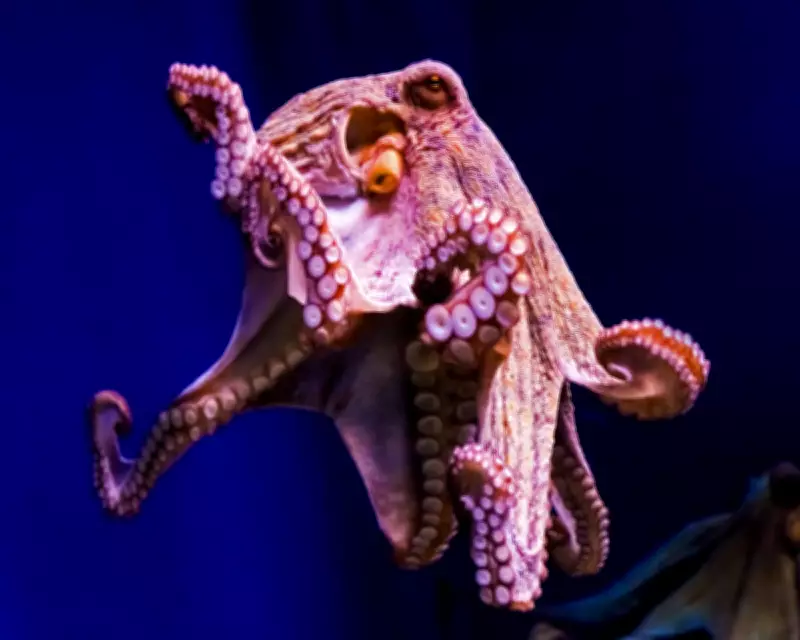
In a groundbreaking development that has captivated the scientific community, researchers have achieved successful limb regeneration in octopuses, raising profound questions about the intersection of biotechnology and animal welfare. This remarkable feat, conducted in controlled laboratory settings, demonstrates the extraordinary regenerative capabilities of these intelligent marine creatures, but it has also ignited a fierce ethical debate regarding the necessity and morality of such procedures.
The Science Behind Octopus Limb Regeneration
Octopuses possess a natural ability to regrow lost limbs, a trait that has long fascinated biologists. The recent experiments involved inducing controlled amputations in octopuses and closely monitoring the regeneration process. Scientists observed that the animals could fully regenerate functional limbs within a matter of weeks, with restored mobility and sensory functions. This research builds on decades of study into cephalopod biology, offering new insights into cellular regeneration mechanisms that could have implications for human medicine, particularly in fields like regenerative therapy and wound healing.
Ethical Concerns and Animal Welfare
Despite the scientific promise, the creation of "amputee octopuses" has drawn sharp criticism from animal rights advocates and some ethicists. Critics argue that deliberately injuring these highly intelligent beings for experimental purposes is unjustifiable, especially given their complex nervous systems and capacity for pain. Proponents, however, contend that the research is conducted under strict ethical guidelines, with minimal harm and potential benefits for both octopus conservation and human health. The debate centers on whether the ends justify the means, with calls for more transparent oversight in marine animal research.
Potential Applications and Future Directions
The implications of this research extend beyond basic science. Understanding octopus regeneration could lead to advancements in:
- Biomedical Engineering: Developing new materials and techniques for limb prosthetics.
- Conservation Efforts: Aiding injured octopuses in the wild to recover from natural predators or environmental damage.
- Educational Outreach: Enhancing public awareness of marine biology and ethical research practices.
Future studies aim to explore the genetic and molecular pathways involved, potentially unlocking secrets that could revolutionize regenerative medicine. However, researchers emphasize the need for a balanced approach that prioritizes animal welfare while pursuing scientific discovery.
Global Reactions and Regulatory Frameworks
This development has prompted discussions among international regulatory bodies about updating guidelines for cephalopod research. Countries with strong animal protection laws, such as the UK and members of the European Union, are reviewing their policies to ensure that such experiments are conducted ethically. Public opinion remains divided, with some hailing the research as a step forward for science and others condemning it as cruel. As the debate unfolds, it highlights the ongoing tension between innovation and ethics in the modern scientific era.



