Wind Farm Wars: 'Blockers' Challenge Government's Onshore Energy Push in Wales
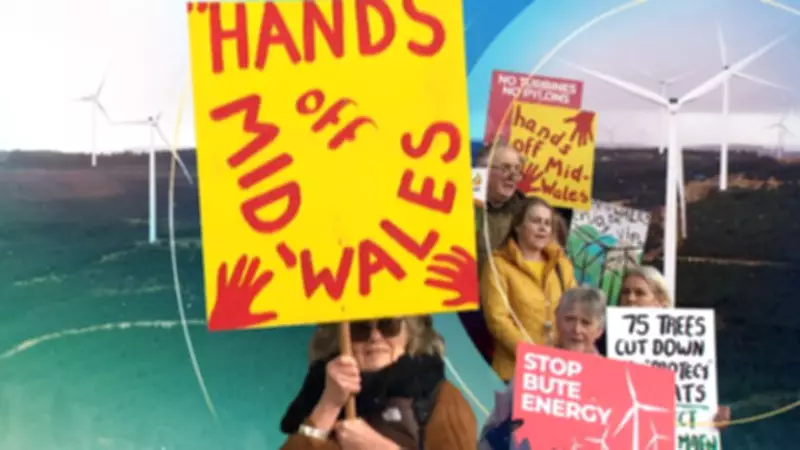
In the rolling hills of Wales, a fierce battle is unfolding between determined campaigners and the government over the future of onshore wind energy. As dozens of new projects are slated to sweep across the countryside, opponents—dubbed "blockers"—are mobilizing to halt what they see as an assault on their landscape and culture. These activists, many of whom identify as environmentalists, argue that the construction of towering turbines will cause irreversible damage, labeling it an "ineffective form of renewable energy" and a "carpet-bombing of the countryside."
The Stakes: Clean Power Targets vs. Local Opposition
The government is racing to meet its clean power goals, aiming to make energy cheaper, cleaner, and more secure by building hundreds of wind turbines across Wales. However, protesters, chanting "No more pylons" outside the Welsh parliament on a windy February day, insist there are better alternatives. They advocate for a mix of offshore wind, community projects, and rooftop solar, which they believe can meet Wales's needs without sacrificing its natural beauty. Many distance themselves from climate deniers, emphasizing that the real issue is how to resolve the climate crisis sustainably.
Welsh Labour has countered, stating that relying solely on community-owned generation would make it "challenging to deliver the scale of electricity required at the pace needed for a climate emergency." With electricity demand expected to at least double by 2050 and 60% still sourced from gas, the government views onshore wind as a necessity, not a luxury.

The Ghost of Hendy Wind Farm: A Cautionary Tale
The debate is haunted by the legacy of the Hendy wind farm in Powys, where seven "ghost turbines" were built despite council objections and never connected to the grid. While the industry calls this an anomaly, locals see it as a warning of broken promises and reckless haste. This history fuels opposition to projects like the proposed Nant Mithil energy park, which would install turbines twice the height of Big Ben on the tranquil Radnor Forest.
Campaigner Nigel Dodman warns of an "ecological disaster," citing the 27 kilometers of roadways and extensive construction required. "Do we ruin this landscape and its ecology," he asks, "or do we preserve it for generations to come?"
Public Opinion and Political Climate
Despite the vocal protests, polling data suggests that the majority of Welsh citizens are comfortable with turbines. A survey by thinktank More In Common found that nearly 80% support onshore wind, compared to 22% who oppose it. Similarly, a UK government survey indicates more people in Britain would welcome turbines in their area than those who would not.
However, support wanes at the hyper-local level, with significant opposition to specific projects like Nant Mithil and Garreg Fawr in Powys. The Campaign to Protect Rural Wales (CPRW) has backed the protesters, with trustee Jonathan Dean cautioning that net zero policy must maintain its "social licence" to avoid political backlash in the upcoming Welsh elections.
Industry Efforts and Community Benefits
In response, the wind energy industry is offering sweeteners to win over communities. RenewableUK Cymru's Jess Hooper highlights annual community benefit funds exceeding £6 million, along with jobs, training, and economic growth for rural areas. "There's then the economic opportunity from jobs and economic growth that comes with it and investment into our rural heartlands that haven't seen such investment in many, many years," she says.
The NIMBY Debate: A New Definition
As the conflict intensifies, the term NIMBY (Not In My Backyard) has taken on new meaning. One protester in Cardiff admits, "Yes, we are NIMBYs, but also we don't understand why when there are so many alternatives they have to start destroying, basically un-messed with areas of countryside." Nigel Dodman redefines it as "Next, it might be you," emphasizing the broader implications for other communities.

With an explosion of new energy projects in the pipeline and elections looming, the government faces heightened pressure to convince the public that the trade-offs are worthwhile. The outcome of this battle will not only shape Wales's energy future but also test the balance between environmental preservation and urgent climate action.