Trump Sets 10-Day Timeline for Iran Nuclear Deal Decision Amid Military Buildup
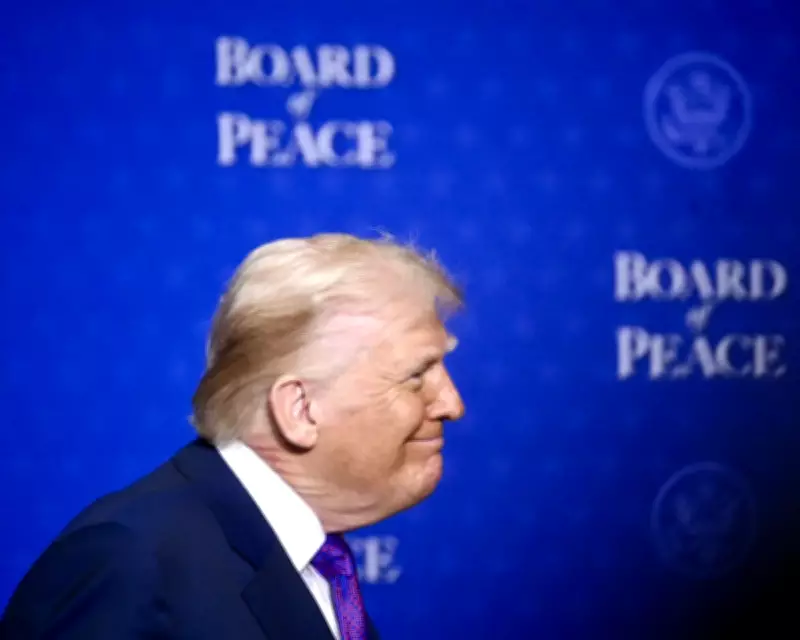
President Donald Trump has declared that it will become evident within "probably 10 days" whether a nuclear agreement with Iran can be achieved, as the United States continues to escalate its military presence in the Middle East. Speaking at the inaugural meeting of his Board of Peace in Washington DC, Trump firmly stated that Iran cannot possess nuclear weapons and warned that "bad things will happen" if the nation persists in threatening regional stability.
Diplomatic Efforts and Military Posturing
White House envoys Steve Witkoff and Jared Kushner recently engaged with Iranian officials in Geneva to discuss Iran's nuclear enrichment program. This program was significantly damaged but not completely destroyed during US and Israeli bombing campaigns in the 12-day war last June. Following these diplomatic talks, Iran committed to responding within two weeks to American demands for complete abandonment of enrichment in exchange for sanctions relief, aligning closely with Trump's proposed timeline.
However, historical precedent raises concerns about Trump's adherence to such timelines. Last summer, the president gave himself a two-week window to decide on bombing Iran's underground nuclear facility at Fordow, only to authorize a strike using B-2 stealth bombers within days.
The military buildup continues with a second carrier strike group, led by the USS Gerald R Ford, currently en route to the region. Military experts note that sufficient US assets are already positioned in the Middle East to initiate an aerial bombing campaign against Iran, potentially in coordination with Israel, though the strategic objectives of such action remain unclear.
Plans for Major Military Base in Gaza
In a separate development, the Trump administration is planning to construct a substantial 5,000-person military base in Gaza, spanning over 350 acres according to Board of Peace contracting records reviewed by the Guardian. This facility is designed to serve as a military operating base for a future International Stabilization Force (ISF), envisioned as a multinational military contingent with pledged troops from various nations.
The ISF represents a component of the newly established Board of Peace, which is intended to govern Gaza. This board is chaired by Donald Trump and partially led by his son-in-law Jared Kushner, indicating direct White House involvement in these security arrangements.
European Allies Decline Participation
The inaugural meeting of Trump's Board of Peace saw dozens of world leaders and national delegations convene in Washington DC, but notably absent were major European allies who declined to join the organization. These nations have expressed criticism regarding the board's ambiguous funding sources and political mandate, raising questions about its international legitimacy and operational transparency.
Additional Security and Political Developments
Several other significant developments emerged on Thursday:
- The Trump administration has granted Immigration and Customs Enforcement (ICE) expanded authority to detain thousands of legally admitted refugees indefinitely for aggressive "rescreening" procedures.
- Newly released documents reveal federal investigators examined Jeffrey Epstein's relationship with a Customs and Border Protection officer at St Thomas airport, through which Epstein regularly traveled to his private island.
- Trump reportedly reversed his position on supporting the Chagos Islands deal after the United Kingdom refused permission for its airbases to be used in potential pre-emptive strikes against Iran.
Broader Political Context
In Washington DC, a large banner featuring Donald Trump's face was displayed on the exterior of the Justice Department headquarters, symbolizing the president's ongoing efforts to assert influence over the law enforcement agency that previously investigated him. Meanwhile, Senator Bernie Sanders delivered a fiery speech in Los Angeles warning billionaires they are "treading on very, very thin ice" and urging California voters to combat extreme economic inequality through proposed taxes on the state's wealthiest residents.
The Trump administration also signed an executive order protecting production of glyphosate-based herbicides like Roundup, despite some studies linking these chemicals to cancer and ongoing widespread litigation. Additionally, an army veteran detained by immigration agents during his California commute has filed a lawsuit against the federal government.
These developments occur against a backdrop of concerns about global internet freedom, as US funding for efforts to prevent authoritarian control of the internet faces serious threats and partial elimination.