
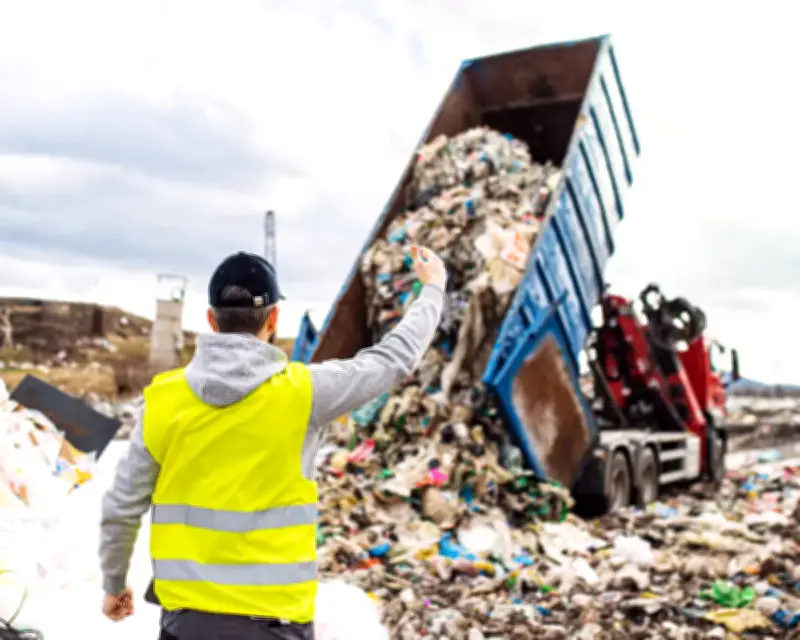
The question of whether consumer capitalism will eventually fill up the Earth with material goods has sparked a lively debate among readers. In a recent installment of the "Readers reply" series, Alex Robinson from Alnwick, Northumberland, posed the query: "If consumer capitalism continues at its current rate, will we reach a point at which there is literally no space left on Earth for all the stuff that has been created?" This question touches on the physical limits of our planet and the sustainability of endless consumption.
Consumerism's Physical Footprint
The discussion, featured in the Life and style section, invites readers to consider whether the sheer volume of products manufactured and consumed will eventually occupy every available space. The original article, which appeared in the "Notes and queries" series, encourages readers to post their answers and new questions below or send them to the provided email address. A selection of responses is scheduled to be published the following Sunday.
This topic is particularly relevant in an era of rapid industrialization and global trade. The question highlights a growing concern about the environmental impact of consumer culture, as well as the practical limitations of resource extraction and waste management. While no specific statistics are cited in the original piece, the underlying issue is clear: the planet has finite space, and human activity is increasingly filling it with manufactured goods.
Readers' Perspectives and Ethical Considerations
The article also touches on broader themes of corporate social responsibility and ethical living. It suggests that the way we produce and consume goods has profound implications for the environment and society. The readers' responses, which are expected to be diverse, will likely explore these dimensions, offering personal insights and philosophical reflections on the sustainability of current economic models.
By framing the question in terms of "physical possibility," the discussion moves beyond mere economics to consider the concrete realities of space, resources, and waste. This approach encourages readers to think critically about the long-term consequences of their consumption habits and the systems that drive them.
Next Steps and Continued Dialogue
The article concludes by reiterating the call for reader participation, emphasizing that the conversation is ongoing. Readers are encouraged to contribute their thoughts, and a selection of the best responses will be featured in the next Sunday's edition. This interactive format ensures that the debate continues, with new perspectives and questions emerging from the community.
The question of whether consumerism will fill the planet remains open, but the dialogue it has sparked is a step toward greater awareness of the challenges ahead.



