
Historic Winter Rainfall Sets New Records Across UK Regions
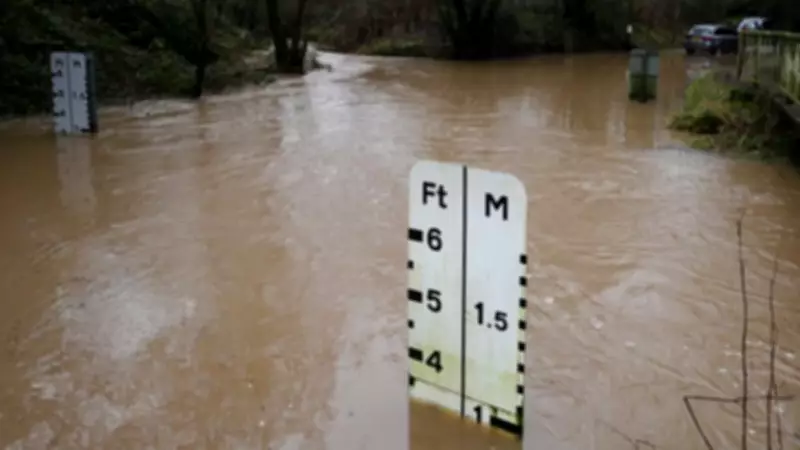
Provisional figures released by the Met Office confirm that the winter season has been the wettest on record for several parts of the United Kingdom. The meteorological agency highlighted that the persistent wet weather was particularly pronounced across southern and central England, leading to significant travel disruption and widespread flooding in many areas.
Record-Breaking Rainfall Statistics and Regional Variations
According to the detailed data analysis, Cornwall, Leicestershire, and the West Midlands all experienced their wettest winter since comparable records began in 1836. Dorset and Warwickshire recorded their second wettest winter, while southern England as a whole endured its fourth wettest winter season in recorded history.
The United Kingdom overall recorded 13% more rainfall than the long-term average, with total precipitation reaching 390.1 millimeters. However, this figure remains below the all-time national high of 539.9 millimeters recorded during the exceptionally wet winter of 2014.
Substantial Geographical Differences in Precipitation Patterns
The Met Office emphasized substantial regional differences in rainfall distribution. England received 42% more rain than usual across the December through February period, while Scotland finished the winter season 14% below its seasonal average. Within England itself, a clear geographical divide emerged, with northern regions experiencing 17% above average rainfall compared to southern areas that saw a remarkable 58% increase above normal precipitation levels.
Northern Ireland recorded 27% more rain than the long-term average, while Wales experienced 20% above average rainfall during the winter months.
Storm Systems and Unusual Weather Patterns
Three named storms in January—Goretti, Ingrid, and Chandra—brought intense downpours to numerous areas, resulting in flooding and widespread travel disruption throughout the country. February presented additional weather anomalies, with all four UK nations recording some of their lowest sunshine totals on record despite experiencing exceptionally mild temperatures throughout the month.
Every UK nation ranked within its top ten dullest Februarys on record, reflecting what meteorologists described as the dominance of cloud-bearing Atlantic weather systems and very limited high-pressure influence during the period.
Climate Change Context and Scientific Analysis
Dr. Amy Doherty of the Met Office explained that some southern and central areas of the UK experienced persistent rainfall that led to saturated ground conditions and several regions recording one of their wettest winters in history. While natural variability and atmospheric patterns heavily influenced this winter's weather, climate change continues to provide important context for understanding these extreme precipitation events.
The meteorological agency noted that a warmer atmosphere can hold approximately 7% more moisture for every degree Celsius of warming, meaning rainfall events tend to be heavier and more intense under current climate conditions. This scientific understanding helps explain why certain regions experienced such exceptional rainfall totals during the winter season.



