
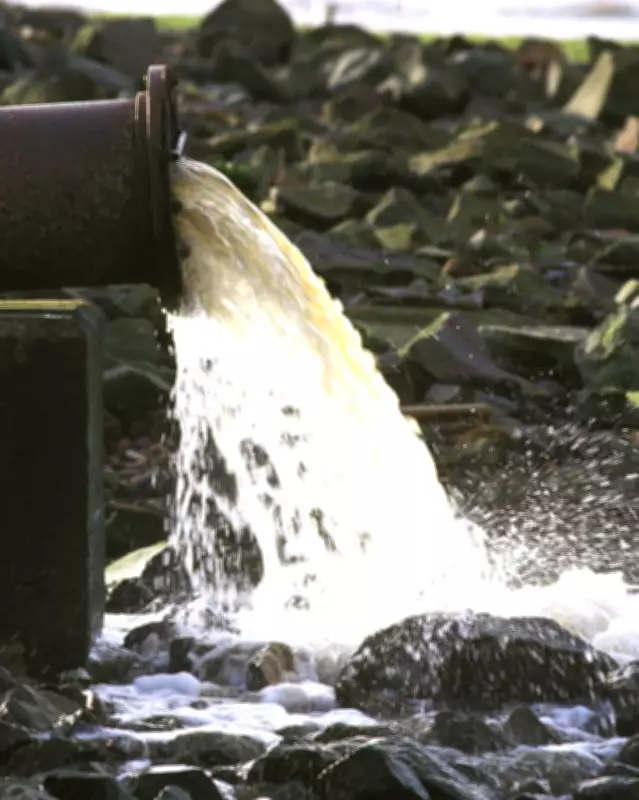
Water Pollution Crisis: 1,200 Convictions Yet No CEO Held Accountable
English water companies have accumulated nearly 1,200 criminal convictions for pollution and environmental offenses, yet not one chief executive has been charged with any criminal offense. This startling revelation comes amid growing public outrage over sewage spills, environmental damage, and what many describe as a fundamentally broken system.
A Personal Tragedy Highlights Systemic Failure
Sarah Lambert's story exemplifies the human cost of this crisis. In August 2024, the 47-year-old wheelchair user took her regular morning swim off Exmouth town beach before her volunteer shift helping disabled people access the water. Just hours later, lifeguards shut the beach after East Devon district council was alerted to a catastrophic burst in the main sewage pipe.
Lambert began vomiting later that day and was hospitalized with life-threatening sepsis after being infected by E coli and Citrobacter bacteria, both commonly found in sewage. "I was seriously ill," Lambert said. "I spent a week in hospital before I had to have 10 more days of intravenous antibiotics at home. It took me a long time to recover."
Now frightened and anxious about sea swimming, the exercise she once loved, Lambert has joined a group environmental legal claim against South West Water. "None of this is right, none of this is acceptable," she said.
Channel 4 Documentary Exposes Decades of Neglect
Public anger intensified this week with the screening of Channel 4's docudrama "Dirty Business," which weaves together the human tragedy of eight-year-old Heather Preen's death from E coli poisoning in 1999 with the unfolding environmental and public health crisis. The documentary explores three decades of underinvestment by water companies and the cozy relationship between these corporations and their supposed regulators.
England remains an anomaly globally as one of only two countries, alongside Chile, where water—a natural resource—is owned by private companies for profit. When Conservative Prime Minister Margaret Thatcher privatized the industry in 1989, she promised it would deliver higher investment.
Mounting Debt and Environmental Damage
The reality has been starkly different. In the 27 years since Heather Preen's death, the water industry has accumulated debts totaling £73 billion while paying out £88.4 billion in dividends. During this same period, sewage spills have reached record levels.
"The situation is not getting better, things are getting tangibly worse," said Andy Tyerman of Exmouth's anti-sewage pollution campaign Escape. "South West Water set its own target for 2025 to be a four-star performer. But they have never been anything higher than two-star for more than 10 years."
Increased rainfall from climate breakdown combined with expanded housebuilding has placed additional pressure on an industry that has suffered decades of underinvestment. The National Infrastructure Commission warns that regular mapping and reporting of aging pipes and treatment plants is essential to prevent failures rather than merely reacting to them.
Regulatory Failure and Corporate Impunity
Despite nearly 1,200 criminal convictions against water companies for pollution and environmental offenses, no chief executive has faced charges. Even the largest criminal case—the prosecution of Southern Water for dumping billions of liters of raw sewage into protected seas, resulting in a record £90 million fine—did not put any director in court, despite prosecutors acknowledging "long-term corporate knowledge."
Robert Forrester, a former Environment Agency officer who revealed his identity in "Dirty Business," has spent nine years trying to expose regulatory failures from the frontline. He believes the structure is fundamentally corrupted, with the regulator funded largely by permit fees from the very companies it's supposed to oversee.
"Public control is absolutely needed," Forrester said. "The regulator cannot regulate because it has so many vested interests in the businesses it is regulating."
Political Responses and Public Sentiment
There have been moments of political confrontation with water companies. In 2018, then-Environment Secretary Michael Gove accused them of financial engineering, noting that not a single new reservoir had been built since privatization while 95% of industry profits went to shareholders as dividends.
The Labour government elected in 2024 promised tougher action, including banning bonuses for poor-performing companies and creating a single powerful regulatory body. However, ministers continue to resist public control of water, even for severely struggling companies like Thames Water, which serves 16 million customers and carries £20 billion in debt.
Public support for renationalization remains strong, with a 2024 poll showing 82% of people favoring public control. Campaigners point to successful models elsewhere, such as Paris's municipally owned water system, which achieves customer satisfaction rates between 90-96%.
Clive Lewis, a Labour MP leading the campaign for public water ownership, said: "Public ownership works around the world. The cost the government keeps putting up of £100 billion has been thoroughly debunked, and there is no good argument not to do this."
As sewage continues to pollute England's waters, rivers turn brown, wildlife dies, and people fall ill, the fundamental question remains: when will those responsible for this environmental catastrophe be held personally accountable?



