
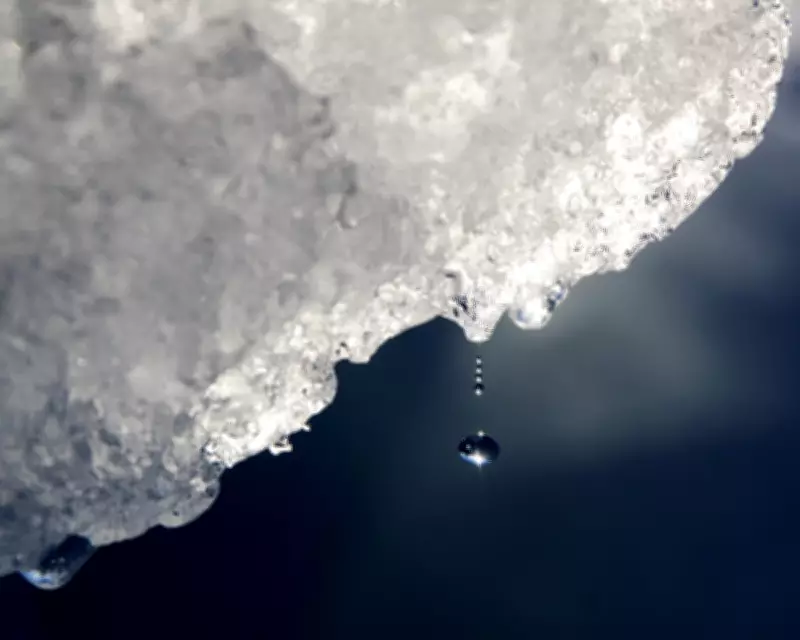
Warmer World, More Rain: How Climate Change Is Transforming Antarctica
In a groundbreaking study, scientists have uncovered that a warmer world is leading to more rain in Antarctica, fundamentally altering the continent's landscape and ecosystems. This shift, driven by global climate change, poses significant challenges for both local wildlife and global sea levels, with implications that extend far beyond the icy shores of the southernmost continent.
The Science Behind the Rainfall Increase
Researchers attribute the increased rainfall in Antarctica to rising global temperatures, which enhance atmospheric moisture and alter weather patterns. As the planet warms, more water vapor is held in the air, leading to heavier precipitation events in regions previously dominated by snowfall. This phenomenon is particularly pronounced in coastal areas of Antarctica, where temperatures are more susceptible to change.
The transformation from snow to rain has profound effects on the ice sheets and glaciers. Rainwater can percolate through snow, refreezing and forming ice layers that accelerate melting by absorbing more solar heat. This process, known as the albedo effect, reduces the reflectivity of the surface, further warming the area and creating a feedback loop that exacerbates ice loss.
Environmental and Global Impacts
The environmental consequences of this shift are multifaceted. Increased rainfall can lead to flooding and erosion in Antarctic habitats, threatening species such as penguins and seals that rely on stable ice conditions for breeding and foraging. Moreover, the accelerated melting of ice contributes to rising sea levels, which could impact coastal communities worldwide.
Scientists warn that if current trends continue, Antarctica could experience more frequent and intense rain events, potentially destabilizing ice shelves that act as barriers to inland glaciers. This could trigger a cascade of effects, including faster ice flow into the ocean and a more rapid rise in sea levels than previously projected.
Broader Implications for Climate Policy
This research underscores the urgent need for global climate action. The transformation of Antarctica serves as a stark reminder of the far-reaching impacts of human-induced warming. Policymakers and international bodies must prioritize efforts to reduce greenhouse gas emissions and mitigate climate change to slow these changes.
Key points from the study include:
- Rainfall in Antarctica has increased by an estimated 20% over the past few decades due to global warming.
- Coastal regions are most affected, with some areas experiencing rain instead of snow for the first time in recorded history.
- The shift poses risks to biodiversity and could accelerate sea-level rise, threatening global infrastructure.
In conclusion, the transformation of Antarctica from a snow-dominated to a rain-influenced continent highlights the profound and rapid changes driven by climate change. As the world warms, understanding and addressing these shifts is crucial for protecting both polar environments and global stability.



