
Victoria Braces for Record-Breaking Heatwave Amid Extreme Fire Danger
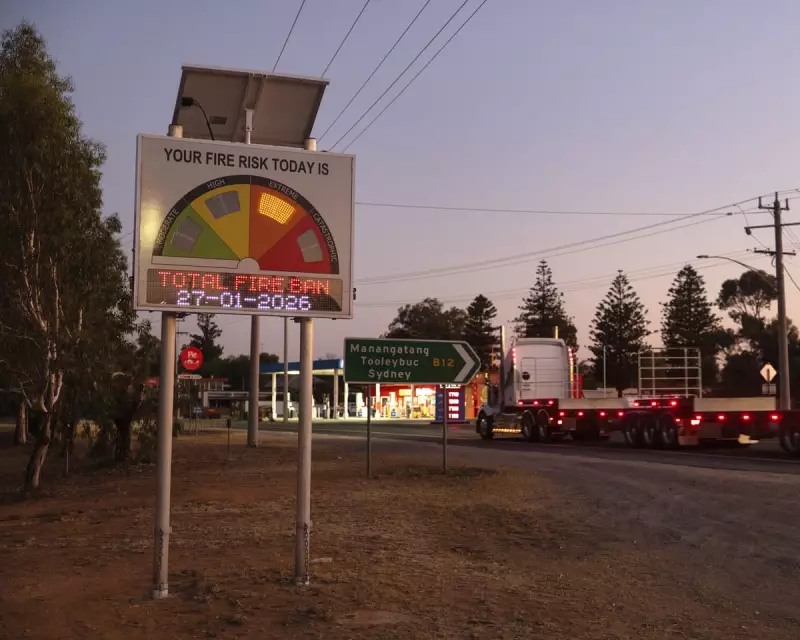
The small Mallee town of Ouyen in Victoria is set to experience a scorching 49 degrees Celsius on Tuesday, potentially surpassing the state's all-time temperature record of 48.8C recorded during the devastating Black Saturday bushfires in 2009. This extreme heatwave comes as fire danger ratings reach extreme levels across both Victoria and South Australia, with authorities warning of severe bushfire risks in what they describe as a very dry state.
Unprecedented Heat Conditions Across Victoria
As the sun rose over Ouyen on Tuesday morning, temperatures had already reached 26.1C, setting the stage for what meteorologists predict will be a day of record-breaking heat. The Bureau of Meteorology forecasts that Ouyen and nearby Mildura in north-west Victoria could both hit 49C, with Melbourne expected to experience its hottest day since Black Saturday at 45C. This marks the fifth consecutive day that Ouyen will exceed 40C, with another four days of extreme heat predicted to follow.
Senior meteorologist Jonathan How emphasised the rarity of such conditions, noting that anything above 48C is extremely rare for the state. The area has recorded no rainfall throughout January and only 13.6mm in December, creating dangerously dry conditions that significantly increase fire risks.
Critical Fire Emergency Warnings Issued
Country Fire Authority chief officer Jason Heffernan has declared that Victoria faces both heat and fire emergencies simultaneously. With six major fires already burning across the state and total fire bans in place, authorities are particularly concerned about the Carlisle River fire in the Otways region, which poses a serious threat to homes, properties, and lives.
Heffernan warned that today is not a day for complacency, urging residents to restrict unnecessary travel and prepare for challenging conditions. He highlighted that the biggest bushfire danger would likely come in the afternoon, with hot northerly winds followed by a change bringing really punchy winds around 5pm that could drive fires further into vulnerable areas.
Four zones around the Carlisle River fire have been issued with immediate evacuation orders as firefighters brace for what Heffernan described as a challenging day for not only firefighters, but for Victorians generally.
Widespread Extreme Conditions Across South Australia
The extreme conditions extend beyond Victoria, with South Australia experiencing similar dangerous weather patterns. Fire danger ratings are extreme across multiple regions including the eastern Eyre Peninsula, Mount Lofty Ranges, Yorke Peninsula, Kangaroo Island, Riverland, Murraylands, and the south-east. Total fire bans have been implemented across these districts following Monday's scorching temperatures that saw Adelaide reach 44.7C and Ceduna on the Eyre Peninsula hit a blistering 49.5C.
Health Warnings and Climate Context
Victoria's chief health officer Dr Caroline McElnay has issued urgent health warnings about the increased risk of heat-related illness during this prolonged heatwave. She emphasised that heat-related illness can come on quickly and urged residents to watch for symptoms including heavy sweating, dizziness, nausea, headache, pale or clammy skin, or unusual weakness or confusion.
This represents Australia's second major heatwave in January, following an earlier event that climate analysts determined was made five times more likely due to global heating. The climate crisis has significantly increased the frequency and severity of extreme weather events, including heatwaves and bushfires, with hotter-than-average conditions expected to continue across much of the country until April.
As communities prepare for what could be nine consecutive days of temperatures exceeding 40C in some areas, authorities continue to monitor conditions closely while urging residents to take precautions, particularly for vulnerable groups including the elderly, young, and infirm.



