
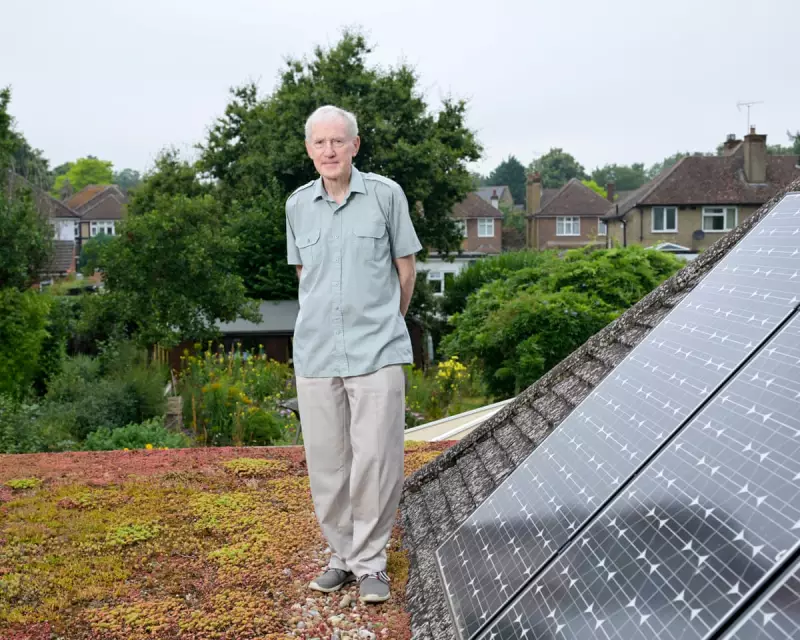
From his hospital bed in Luton, veteran journalist Paul Brown reflects on four and a half decades of environmental reporting, offering hard-won wisdom about covering the climate crisis as he submits his final column after a terminal lung cancer diagnosis.
The Thatcher Paradox and Environmental Awakening
Brown reveals an unexpected figure who helped launch environmental coverage: Margaret Thatcher. Despite political differences, the former prime minister's scientific background prompted crucial briefings about the ozone layer and climate change during her peak international influence.
Meanwhile, the Guardian was expanding its environmental coverage as organisations like Friends of the Earth and Greenpeace grew into major campaigning forces. Brown, then a general reporter, began his environmental journey covering nuclear power when the science editor fell ill.
His career took him aboard Greenpeace ships blocking the Sellafield pipeline, highlighting sewage dumping, and spending three months in Antarctica - becoming the first journalist to file stories directly from the icy continent via satellite.
Global Summits and Political Failures
Upon returning, Brown witnessed Thatcher warning the UN about climate dangers. Soon after, Guardian editor-in-chief Peter Preston made him environment correspondent, citing his belief that "you could not write about anywhere properly unless you have been there."
Brown spent sixteen years in the role, working alongside John Vidal and witnessing what he calls the "Thatcher syndrome" - politicians understanding climate science but failing to take necessary action.
He attended numerous international conferences, including the landmark 1992 Earth Summit in Rio de Janeiro, where he saw George HW Bush and Fidel Castro deliberately ignore each other in corridors. The summit established the climate change convention and biodiversity convention, sending Brown globe-trotting to various COPs worldwide.
The Nuclear Renaissance and Final Warnings
Brown expresses particular concern about the latest "nuclear renaissance," having covered the industry since the early 1980s. He recalls Thatcher cancelling nuclear projects after discovering their true costs, and warns that current government enthusiasm for nuclear power, including Sizewell C and small modular reactors (SMRs), represents a dangerous diversion.
"The government subsidies are simply huge: a nuclear tax is being levied on hard pressed consumers," he writes. Brown questions why the government is pursuing technology that consistently proves more expensive than renewables like wind and solar.
His final plea to colleagues: "Journalists should be exposing this terrible waste. In the name of the climate I ask them to look closely at the real facts, not believe the hype, and try to stop this waste of resources before it gets worse."
Despite decades of reporting, Brown watches with "continuing dismay" as politicians repeatedly fail to implement necessary climate actions, with fossil fuel lobbyists increasingly outnumbering environmentalists at recent conferences.



