
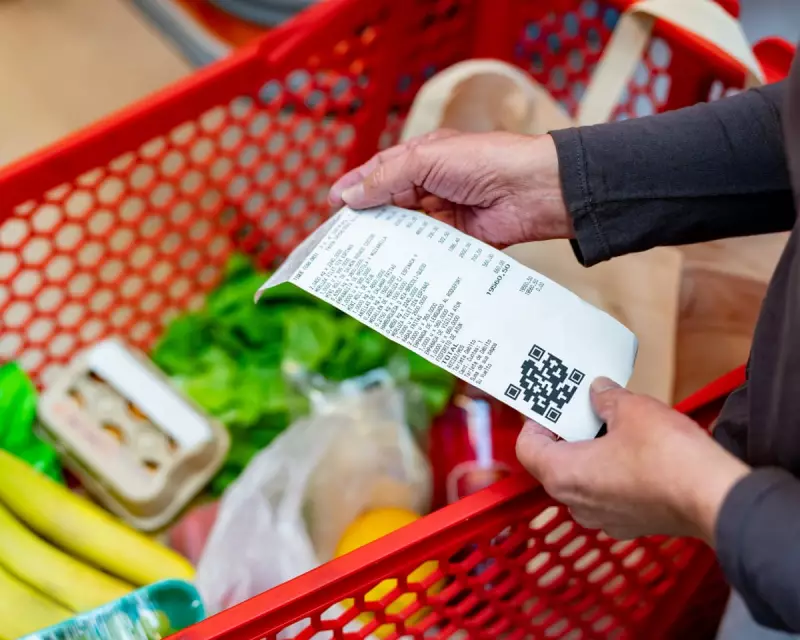
A clear majority of registered voters in the United States now directly connect the escalating climate crisis with mounting pressures on their household budgets, according to new polling data. The research from Yale University indicates a significant public awareness of how environmental breakdown is driving up the cost of everyday life.
Poll Exposes Public Concern Over Climate and Costs
The survey found that 65% of registered US voters believe global heating is affecting the cost of living. This sentiment emerges against a backdrop of tangible economic impacts, from grocery bills to home insurance. Experts point to extreme weather events—floods, droughts, storms, and heatwaves, all intensified by climate change—as a key culprit disrupting global supply chains.
Recent sharp price increases for staples like coffee and chocolate are cited as prime examples, blamed at least partially on climate-related damage to crops. Meanwhile, many households are grappling with rising electricity costs and steep hikes in home insurance premiums, both areas profoundly influenced by a warming planet.
Trump's 'Green Scam' Agenda Faces Widespread Backlash
The polling suggests the Trump administration's aggressive agenda to dismantle climate policies and promote fossil fuels is deeply unpopular with most Americans. Since taking office, the administration has fired federal scientists, scrubbed climate information from government websites, and attempted to halt renewable energy projects, which the president has labelled a "con job."
Public opinion firmly rejects these moves. The Yale data shows:
- Nearly eight in ten voters oppose restrictions on climate information and research.
- The same proportion reject the idea of eliminating the Federal Emergency Management Agency (Fema).
- 65% disagree with the move to block new offshore wind farms.
"The majority of people think this doesn't make sense," said Anthony Leiserowitz, director of the Yale Program on Climate Change Communication. He argued the last election was not a referendum on climate change, yet the administration is acting as if it had a mandate for sweeping rollbacks. "This is why all the polls show Trump is deeply underwater on all of these issues," Leiserowitz stated.
Bridging the Gap Between Climate and Daily Life
Leiserowitz criticised the notion that the cost-of-living crisis and the climate crisis are separate issues. "It's a fundamental error to treat these issues as mutually exclusive – climate solutions are also cost-of-living solutions," he explained. He advocates for framing the climate debate in relatable, personal terms to motivate voters beyond traditional political or scientific arguments.
"If your kid has asthma, you should care about climate change. If you want to make money, you should care about climate change. If you like chocolate, you should care about climate change," Leiserowitz said, emphasising the need for a broader narrative.
The poll also revealed a stark partisan divide. While 59% of voters overall prefer a candidate who supports climate action, this is heavily skewed by Democratic voters. Only 21% of conservative Republicans favour a 'climate hawk' candidate, with 37% wanting the opposite.
A White House spokesperson, when questioned about the unpopularity of the environmental policies, did not directly address the poll findings. Instead, they claimed President Trump had "restored common sense to America's energy and sustainability policies" and was "unleashing our natural resources to... lower energy costs for American families."
The data underscores that for a majority of Americans, the reality of climate change is no longer a distant environmental concern but a pressing economic one, directly felt in their weekly shop and monthly bills.



