
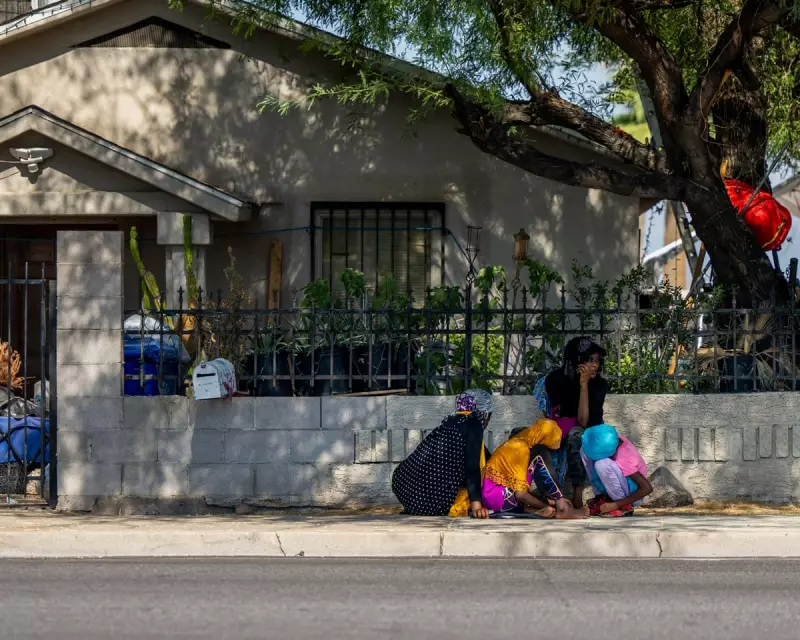
As temperatures in Phoenix, Arizona, soared above 43C (110F) for 13 out of 14 consecutive days in July 2023, a stark reality of the climate crisis unfolded. A family seeking shade while waiting for transport became a poignant symbol of a nation grappling with killer heat. This scene, however, belies a deeper, systemic failure: the United States lacks a reliable method for counting heat-related fatalities, leaving the true scale of the tragedy obscured and fragile communities dangerously exposed.
The Human Cost of Indoor Heat
In the vast desert expanse of Mohave County, which borders California and Nevada, a shocking 70% of confirmed heat-related deaths occur indoors. The most at-risk are low-income residents living in poorly insulated mobile homes and RVs. The story of Richard Chamblee, 52, is a tragic case in point. He died just two days after his central air conditioning failed.
Clinically obese and bed-bound, Richard was in his living room as the mercury hit 46C. His family, unable to afford an immediate repair, tried desperately to keep him cool with a window unit, fans, and ice packs. His core temperature measured 42C when he reached the emergency room, but doctors could not save him. His wife Sherry, who works three jobs, recounted the speed of the tragedy: “We had no idea the heat could be so dangerous so quickly inside. It just happened so fast.”
Another life cut short was that of Hannah Moody, 31, a fit social media influencer passionate about the outdoors. She embarked on a desert hike and never returned. Rescuers found her body just 90 metres from a car park, with a recorded temperature of 61C. Hannah is among the 555 suspected heat deaths in 2023 alone in Maricopa County, home to Phoenix. This toll adds to over 3,100 confirmed fatalities in the preceding decade.
A Systemic Failure to Count and Protect
One of the most alarming revelations from this reporting is the absence of a national standard for investigating and recording heat deaths. The country's 2,000-plus coroner and medical examiner offices follow no single protocol. Whether heat is listed as a contributing factor often depends on the individual certifier's experience. Even Maricopa County, considered the gold standard, may be undercounting deaths, particularly among homeless populations.
As Bharat Venkat, director of the UCLA Heat Lab, starkly put it: “No one dies from a heatwave. The way in which our society is structured makes some people vulnerable and others safer.” The determining factors are inequality—access to shelter, healthcare, money, and social support—not the temperature alone.
Policy Rollbacks Deepen the Crisis
This vulnerability is being exacerbated by political decisions. The reporting highlights how the dismantling of climate investments and regulations has direct, harmful consequences. In Appalachia, communities that overwhelmingly supported Donald Trump saw billions of dollars in Biden-era clean energy and climate adaptation grants illegally terminated.
This funding was earmarked to help revitalise former coal communities increasingly battered by destructive floods. One cancelled project was a new fire station and solar-powered resilience hub in Dante, Virginia—a town of 600 that has suffered days-long power outages and catastrophic flooding. These cuts, alongside reductions to food stamps and medical care, hit the same communities being bombarded with misinformation about climate change's role in their hardship.
The United States, as the biggest historical greenhouse gas emitter and currently the second-largest, bears significant culpability for the climate catastrophe now claiming American lives. The choice to not accurately count heat deaths, coupled with the rollback of resilience programmes, signifies a failure to protect those most at risk from the escalating climate emergency.



