
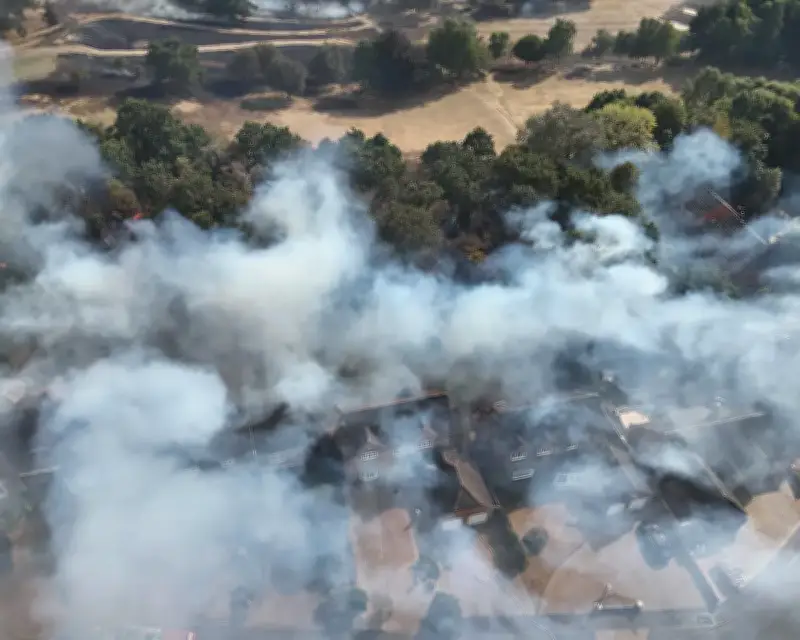
The UK must face the reality of a changing climate and act boldly, Environment Secretary Angela Eagle has said, after a summer of wildfires, the driest July in nearly two centuries, and the threat of flash floods. In a stark assessment, Eagle said the government will not "throw in the towel" and will invest nearly £100m to strengthen the country's capacity to respond to wildfires and extreme weather, while backing farmers with a £65m funding boost.
Summer of extremes prompts warning
Writing in the Guardian, Eagle highlighted that the UK has experienced its third drought in five years and the driest July in almost two centuries. She noted that wildfires have burned down homes, and there is now a risk of flash floods as autumn approaches. "No one who has experienced this summer in the UK should be in any doubt that our climate is already changing," she wrote, adding that the future holds warmer, wetter winters, hotter, drier summers, and more extreme weather.
Eagle criticised the response from Reform UK's deputy leader, who told people to "enjoy" the scorching heatwaves and described the government's efforts to combat the climate crisis as "arrogant". She called this response "not just ignorant; it is insulting", saying it was insulting to firefighters risking their lives, to the public whose lives are disrupted by scorching temperatures, and to farmers struggling to turn a profit as drought damages their crops.
Restoring ecosystems to build resilience
The Environment Secretary argued that the solution to raging wildfires is not more burning of the countryside but restoring and better managing the environment. She said healthy ecosystems retain more water and can act as natural firebreaks, guarding against flooding and pollution. Eagle directly rebutted arguments from the Conservatives that rewilding lowers resilience to fire and that restrictions on burning heather on moors and peatlands should be reversed.
"The exact opposite is true," she wrote. "The evidence clearly shows that wetter, healthy peatlands hold more water and are less likely to develop species that are vulnerable to fires. The damage that has been done to these vital habitats by decades of burning has made them more vulnerable to wildfires in the long term, not less." She pointed to the National Trust's Holnicote estate as an example where rewilding has made a stark difference, with restored rivers and wetlands supporting green, blooming plants while elsewhere the ground is brown and dry.
Government action and funding
Eagle detailed that the prime minister convened an emergency Cobra meeting this month, bringing together senior ministers, firefighters, weather forecasters and other experts to keep the country safe from wildfires. This included a temporary ban on the sale of disposable barbecues. The government is spending almost £100m to strengthen capacity to respond to wildfires and extreme weather, and has announced a £65m funding boost for farmers, rule changes to make building on-site reservoirs easier, and the largest nature-friendly budget in history to make farms more resilient and protect food security.
"Adapting to our changing climate demands sustained attention, effort and investment," Eagle concluded. "Others may simply deny the problem or stick their heads in the sand, but this government will rise to the challenge."



