
Geopolitical Crisis Highlights Britain's Dangerous Fossil Fuel Dependence
The escalating conflict in the Middle East has starkly exposed Britain's fundamental vulnerability to volatile global energy markets. As tensions threaten critical shipping routes like the Strait of Hormuz, analysts warn that British households could face another devastating cost of living crisis reminiscent of 2022's energy shock.
The Dire Economic Consequences of Continued Fossil Reliance
Goldman Sachs research indicates that prolonged disruption to global energy supplies could add more than 50 pence to each litre of petrol at British pumps. Simultaneously, household energy bills might surge by £900 to £2,500 annually if gas supplies face extended interruption. This uncertainty dramatically strengthens the economic and strategic case for aggressively expanding domestic clean energy infrastructure.
Energy Secretary Ed Miliband has recognized this reality, advocating for accelerated renewable deployment. However, the Conservative Party and Reform UK continue promoting increased domestic fossil fuel extraction as a security solution. This argument represents rhetorical positioning rather than substantive policy, as Britain would still require imported refined fuels and liquefied natural gas regardless of North Sea production levels.
The False Promise of Energy Security Through Fossil Fuels
Expanded drilling operations would primarily benefit oil company profits rather than shield British households from price volatility. The industry's vigorous lobbying to eliminate windfall taxes underscores this economic reality. Historical patterns demonstrate that each hydrocarbon crisis sends oil and gas markets into turmoil, triggering inflationary spirals that disproportionately impact ordinary citizens.
Renewable energy systems offer a fundamentally different economic model. Once infrastructure is established, the "fuel" sources—sunlight and wind—are essentially free. This creates price stability and effectively functions as an insurance policy against geopolitical disruptions that regularly roil fossil fuel markets.
Building a Resilient Domestic Energy Economy
An emerging clean-energy framework could enable Britain to operate a predominantly domestic energy economy. Achieving this requires developing industrial capacity to reduce dependence on external suppliers while delivering affordable domestic power. Success depends on establishing financing systems resilient to economic shocks and implementing energy policies grounded in national security considerations.
Britain's commitment to meeting its climate targets provides additional impetus for this transition. The Transition Security Project estimates the 2022 energy crisis cost the European Union and United Kingdom approximately $1.8 trillion between 2022 and 2025, while American corporations reaped $241 billion in windfall profits. The resulting higher inflation pushed interest rates upward, making capital-intensive renewable projects more challenging to finance than traditional fossil fuel ventures.
The Path Forward: Accelerating Britain's Energy Transition
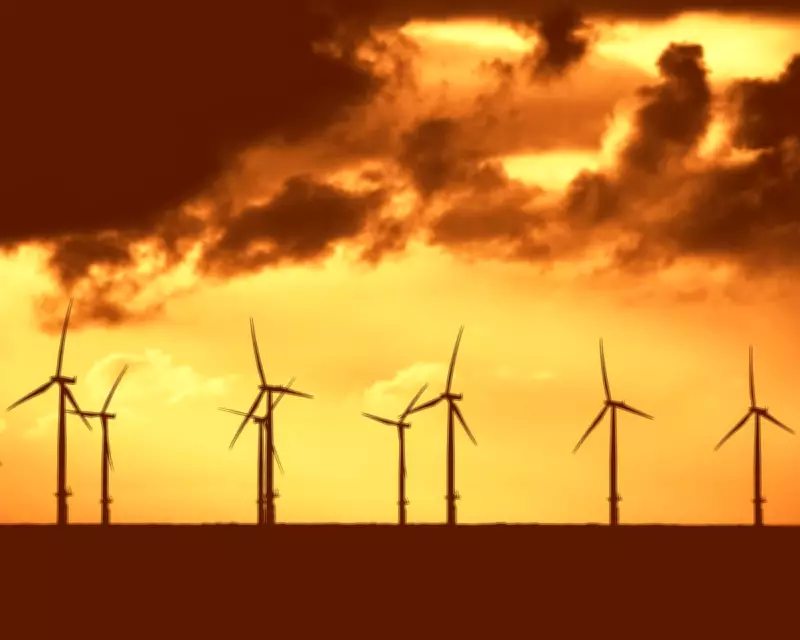
Britain must urgently accelerate clean power deployment through multiple channels: expanding offshore wind capacity, upgrading national grid infrastructure, approving new nuclear power facilities, and rapidly electrifying heating and transportation systems. Any successful green transition must include mechanisms to cushion household impacts and employ windfall taxes effectively to fund necessary investments.
Geopolitical realities remain ever-present. Fossil fuels inherently tie the British economy to politically unstable regions, creating perpetual vulnerability. A renewable-based energy system would liberate Britain from the unpredictable fluctuations of global hydrocarbon markets. As environmental analyst Joss Garman observes, each crisis should accelerate the energy transition, yet current events reveal persistent exposure to fossil fuel markets beyond national control.
Following Russia's invasion of Ukraine, Europe merely substituted Russian pipeline gas for American liquefied natural gas—dependency persisted, only the supplier changed. This pattern demonstrates why the current crisis demands laser-focused government commitment to accelerated decarbonization rather than expanded drilling. The strategic imperative has never been clearer: building domestic clean energy capacity represents Britain's most reliable path to genuine energy security and economic stability.



