
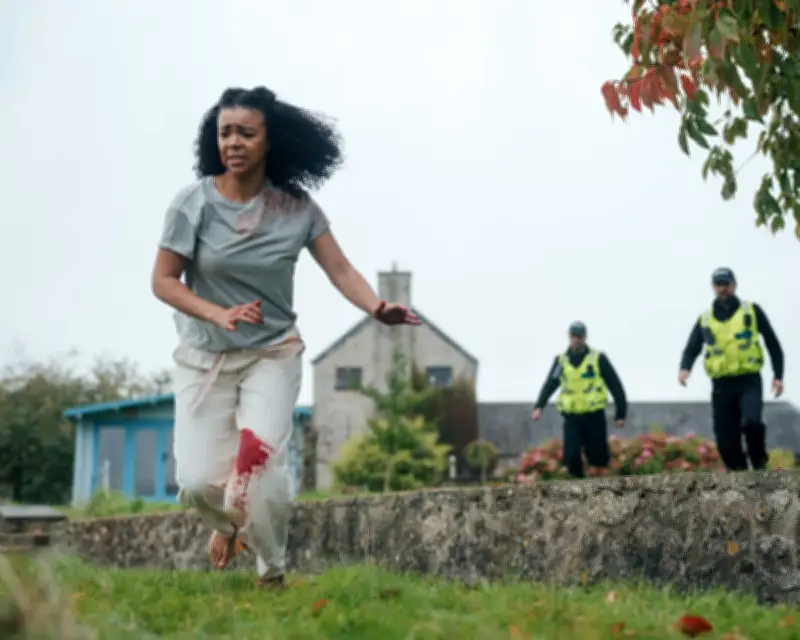
In the BBC's new apocalypse drama, The Rapture, the UK is engulfed in a terrifying heatwave. The show's preview in May, during an interview with lead actor Ruth Madeley, coincided with a real-life heatwave that broke the UK's highest ever June temperature. Madeley noted that door handles and street furniture in central London became dangerously hot, making everyday surfaces feel like lava. The drama's release in late July, amid a third heatwave and wildfires in France, underscores its eerie timeliness.
Criticism and Context
The Daily Mail criticized the show for portraying Christianity as anti-science, questioning if the BBC would similarly depict a Muslim imam. However, the religion serves more as a backdrop to the central theme of extreme heat, akin to a cat in the 1974 film The Towering Inferno.
TV's Prophetic Role
TV often strives to reflect the world at release, even when developed years earlier. Apple TV's Criminal Record season two, starring Peter Capaldi, opens with a far-right protest outside the Ministry of Defence that turns deadly. Conceived before the Southport attack riots and asylum seeker hotel arsons, it accurately depicted a divided politics yet to fully emerge. Creator Paul Rutman committed to a new chapter in civic life, though Capaldi's performance alone would have sufficed.
Literary Parallels
The Rapture adapts Liz Jensen's 2009 novel, anticipating the climate crisis two decades ago. Novels like Eleanor Catton's Birnam Wood and Naomi Alderman's The Future (both 2023) similarly predicted billionaire death wishes and post-humanist outlooks, germinating around 2020 before tech tycoons openly embraced such views.
Political Blindness
These creative insights reflect common knowledge: extreme weather, billionaire preparations for mass death, and political division fueled by wealth. Yet politicians remain in denial, complaining about net zero costs and squabbling over North Sea oil amid wildfires. This averted gaze, refusing to acknowledge an already arrived future, is the most remarkable phenomenon.
Zoe Williams is a Guardian columnist.



