
In a significant diplomatic shift, Turkey has been confirmed as the host nation for the Cop31 climate conference after Australia withdrew its longstanding bid to stage the event in Adelaide at the eleventh hour.
Diplomatic Breakthrough in Brazil
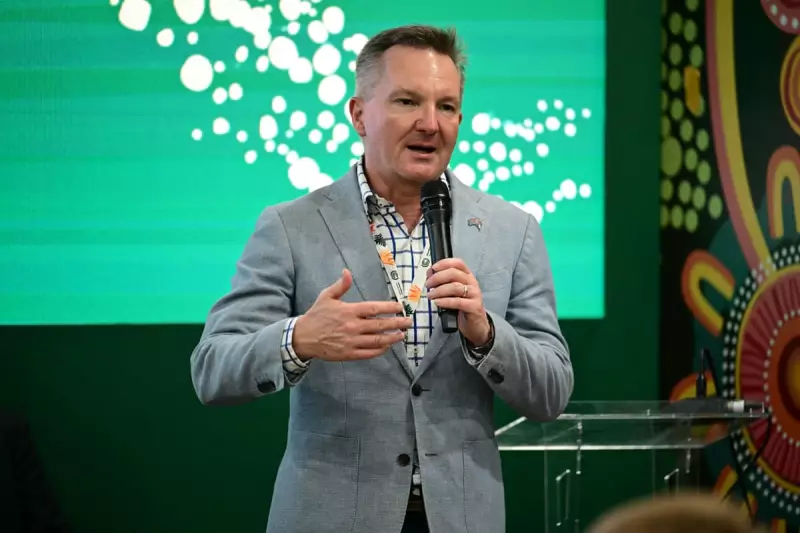
The crucial agreement was negotiated between Chris Bowen, Australia's minister for climate change and energy, and his Turkish counterpart Murat Kurum during the Cop30 conference in Brazil this week. Independent sources have confirmed to the Guardian that the fortnight-long event will take place in November 2026 in Turkey's Mediterranean resort city of Antalya.
This resolution came despite Australia having invested more than three years campaigning to host the prestigious international climate gathering. The breakthrough prevented what could have been an unprecedented deadlock in the UN climate process.
Complex Negotiations and Compromise
Sources revealed that Australia proposed an arrangement where it would assume the Cop presidency and lead negotiations in exchange for conceding the hosting venue to Turkey. The anticipated agreement also includes plans for a separate leaders' meeting to be held in the Pacific region.
This compromise acknowledges that Pacific island nations had been promised co-host status and significant international focus on the existential threat the climate crisis poses to their survival under the original Australian bid.
The Australian position became increasingly complicated when Prime Minister Anthony Albanese signalled a change in approach during a press conference in Perth, stating his government would not block Turkey's bid if selected. This intervention came just hours after Minister Bowen had publicly declared Australia was "in it to win it" regarding the Cop31 hosting rights.
Broader Implications and Reactions
Under UN regulations, the conference would have defaulted to the UN climate headquarters in Bonn, Germany, if the Australia-Turkey standoff hadn't been resolved this week. However, German authorities were reportedly reluctant to host the massive event, which attracts tens of thousands of delegates and runs alongside the world's largest green industry trade fair.
Australian government sources expressed frustration with what they described as an opaque UN decision-making process lacking proper resolution mechanisms. Some officials reportedly briefed Australian media about concerns that hosting Cop31 could cost taxpayers more than A$1bn.
The Premier of South Australia, Peter Malinauskas, had strongly supported holding the conference in Adelaide, commissioning a consultant's report that found the event could have generated approximately $500m for the local economy.
Observers noted that Prime Minister Albanese hasn't attended a year-ending climate conference since taking office, and some had urged him to travel to Cop30 in Belém if he was genuinely committed to Australia's hosting ambitions.



