
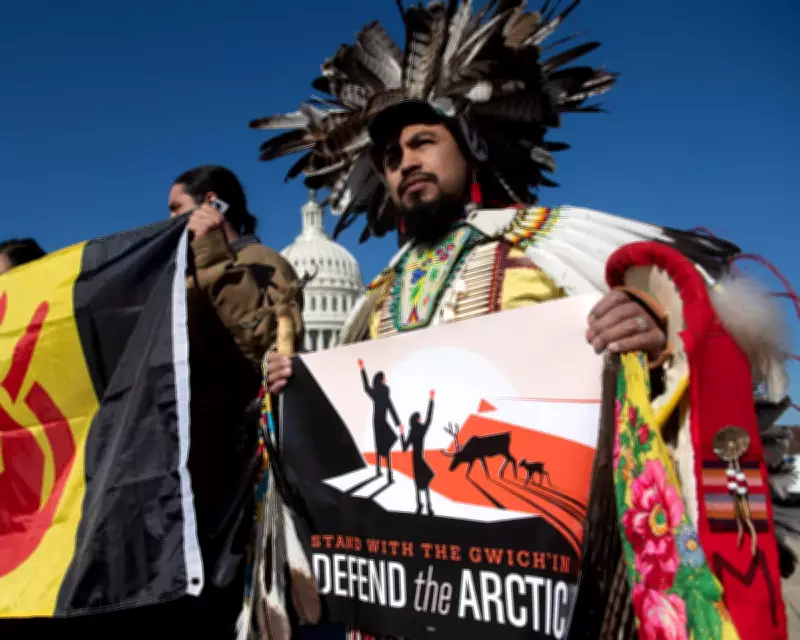
Trump's Arctic Ambitions: A Global Climate Crisis Crossroads
The potential return of Donald Trump to the White House has sparked intense scrutiny over his proposed plans for the Arctic region, with experts warning that these policies could have profound and far-reaching consequences for the global climate crisis. As the world grapples with escalating environmental challenges, Trump's agenda for the Arctic is emerging as a critical flashpoint in international climate diplomacy and ecological stewardship.
Unpacking the Proposed Arctic Policies
Trump's plans for the Arctic are centred on a significant expansion of industrial activities, including oil and gas drilling, mining operations, and infrastructure development. This approach marks a stark departure from current conservation efforts and climate-focused initiatives in the region. Proponents argue that these measures could boost energy independence and economic growth, but critics contend they threaten to accelerate global warming and disrupt fragile ecosystems.
The Arctic, often referred to as the planet's air conditioner, plays a vital role in regulating Earth's climate through its ice sheets and reflective surfaces. Increased industrialisation could lead to higher greenhouse gas emissions, reduced albedo effect from melting ice, and the release of stored carbon from permafrost. These factors collectively risk tipping the balance towards more severe climate impacts worldwide.
Global Climate Implications and Risks
The implications of Trump's Arctic plans extend far beyond the polar region, posing significant threats to the global climate crisis. Key concerns include:
- Accelerated Ice Melt: Enhanced industrial activity could hasten the loss of Arctic sea ice, contributing to rising sea levels and altered weather patterns across the globe.
- Increased Emissions: Expanded fossil fuel extraction would likely result in higher carbon dioxide and methane emissions, undermining international climate targets set under agreements like the Paris Accord.
- Biodiversity Loss: The unique wildlife of the Arctic, including polar bears and migratory species, faces heightened risks from habitat disruption and pollution.
- Geopolitical Tensions: These policies may strain relations with other Arctic nations and climate-conscious countries, potentially hindering collaborative efforts to address the climate crisis.
Environmental and Economic Trade-Offs
While Trump's plans promise short-term economic benefits through job creation and resource exploitation, they come with substantial long-term environmental costs. The Arctic's role in mitigating climate change—by storing carbon and reflecting sunlight—could be compromised, leading to more frequent extreme weather events, food security issues, and health impacts globally. This raises urgent questions about the balance between immediate economic gains and sustainable planetary health.
In response, environmental advocates and scientists are calling for reinforced protections and a renewed focus on renewable energy alternatives. They emphasise that safeguarding the Arctic is not just a regional concern but a global imperative in the fight against climate change. As debates intensify, the world watches closely, recognising that decisions made in the Arctic today will shape the climate legacy for generations to come.



