
Trump's Environmental Rollbacks Undermine 'Make America Healthy Again' Health Promises, Study Finds
Donald Trump's aggressive dismantling of environmental protections directly conflicts with the pledges of his "Make America Healthy Again" campaign, according to a new report from the Center for American Progress. The research highlights how the Environmental Protection Agency's actions under administrator Lee Zeldin are making children more vulnerable to chronic diseases that the health agenda aims to eradicate.
Contradiction Between Health Rhetoric and Regulatory Actions
Led by Robert F Kennedy Jr, the Trump administration's health and human services department has promoted initiatives to transform the nation's food, fitness, air, water, soil, and medicine, with a focus on reversing childhood chronic disease crises. However, the EPA is moving in the opposite direction by weakening pollution limits and exempting facilities from clean air regulations. These rollbacks could increase risks of cancers, heart diseases, diabetes, obesity, autism, and attention deficit disorders among children.
Cathleen Kelly, a senior fellow at CAP and co-author of the report, stated, "The administration is trying to pull the wool over Americans' eyes, claiming that they care about our health, that they care about kids' health, when in reality, they are moving so aggressively to eliminate dozens of safeguards. It's really been heartbreaking to watch." In response, an EPA spokesperson dismissed the report as "fake news," asserting that the agency is aligned with the Maha agenda and protecting public health.
Key Regulatory Rollbacks and Their Impacts
The report details several significant EPA actions that contradict health promises. In March, Zeldin announced plans to overturn dozens of pollution regulations, including proposals to repeal strengthened Mercury and Air Toxic Standards and carbon pollution limits for power plants. The EPA has also finalized rules to delay methane pollution compliance deadlines and narrow risk assessments for toxic substances, which critics argue will weaken environmental safeguards.
An EPA spokesperson defended these moves, saying, "It's simply wrong to claim that EPA's actions will worsen air quality" and citing federal projections of decreased CO2 emissions. However, experts emphasize that far larger cuts are necessary to address public health concerns effectively.
Exposure Risks for Children and Communities
The CAP report reveals that over 565,000 children under 18 live within three miles of polluting facilities that have received EPA exemptions from air emission standards, with more than 2 million children near facilities eligible for such waivers. These exemptions could increase exposure to harmful pollutants like particulate matter, heavy metals, and toxic chemicals linked to health issues. Kelly noted, "That basically gives these companies a free pass to avoid compliance with toxic air pollution standards designed to protect kids, families, and communities."
The EPA spokesperson countered that exemptions are issued for national security reasons and denied any weakening of enforcement, reiterating the agency's commitment to children's health.
Broader Health and Political Implications
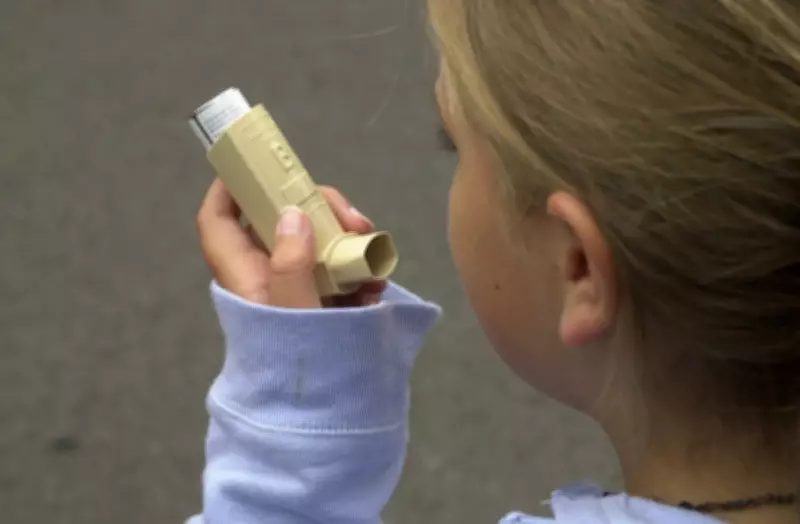
The Trump administration is also reducing funding for public health programs supporting asthma prevention and pediatric care, potentially limiting access to treatments as children face increased health risks. Additionally, EPA actions, such as abandoning soot pollution limits and rescinding restrictions on PFAS chemicals, could undermine efforts to boost US birth rates, as these "forever chemicals" are linked to fertility problems.
Adam Finkel, a former EPA science advisory board member, expressed sympathy for Maha supporters' concerns about the US health system but criticized the administration's inconsistency. He said, "Maha has glommed onto things like red dye No 3... while they are just looking the other way with respect to environmental concerns." The report also notes growing discontent among some Maha supporters, with petitions calling for Zeldin's dismissal over environmental rollbacks.
Future Concerns and Corporate Influence
Looking ahead, the EPA may further contradict health goals by planning to stop estimating the health benefits of curbing certain air pollutants. The report raises alarms about corporate influence, with former chemical industry executives leading EPA chemical safety efforts and record donations from oil and petrochemical companies to Trump's campaign. Kelly remarked, "Administrator Zeldin could lead a master class on corporate capture and how to rig the system to benefit industry interests."
This analysis underscores the tension between regulatory actions and public health promises in the current political landscape.



