
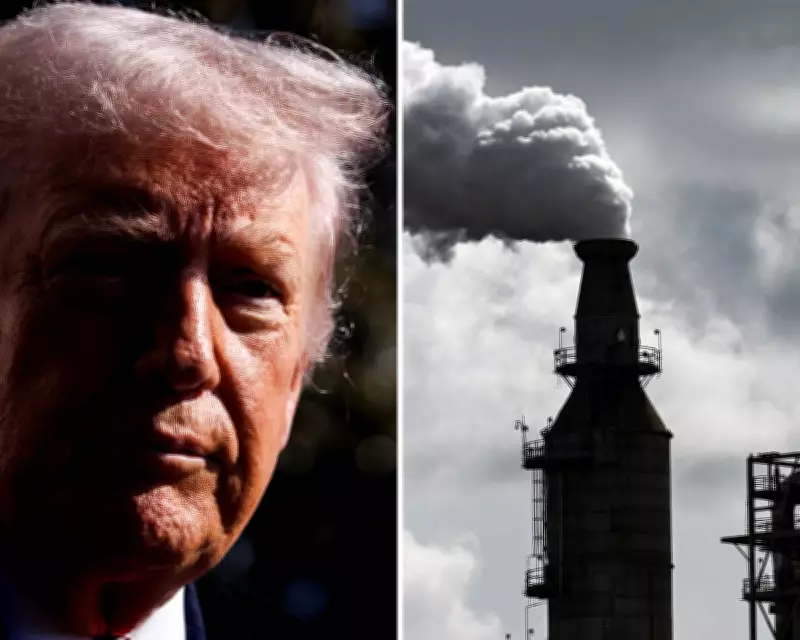
Trump's Climate Endangerment Repeal Ignites Legal Firestorm in Oil Sector
In a controversial move, former President Donald Trump has initiated the repeal of climate endangerment regulations, a decision that has immediately triggered a surge of lawsuits from the oil industry. This policy reversal, aimed at rolling back environmental protections, is now at the center of intense legal disputes, with significant implications for both the energy sector and broader climate governance.
Legal Challenges Mount as Industry Reacts
The repeal of these rules, which were designed to limit greenhouse gas emissions and address climate risks, has prompted oil companies to file multiple lawsuits. These legal actions argue that the regulatory rollback creates uncertainty and potential financial liabilities, while environmental groups counter that it undermines critical safeguards against pollution and global warming. The courts are now poised to become a key battleground in determining the future of U.S. climate policy.
Environmental and Economic Ramifications
Experts warn that this repeal could lead to increased carbon emissions and exacerbate climate change, posing long-term environmental threats. Simultaneously, the oil industry faces heightened legal risks and potential reputational damage as lawsuits unfold. The situation highlights the ongoing tension between economic interests in fossil fuels and the urgent need for sustainable practices.
Broader Implications for Policy and Law
This development underscores the volatile nature of climate regulation under shifting political administrations. It raises questions about the stability of environmental laws and the role of the judiciary in mediating such conflicts. As legal proceedings advance, the outcome could set important precedents for how climate policies are implemented and challenged in the future.



