
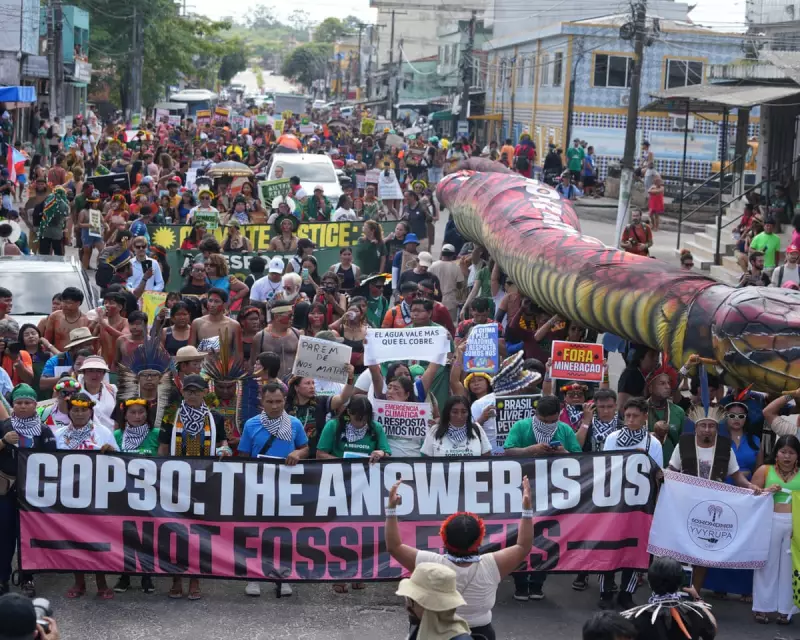
While many commentators have labelled the recent Cop30 climate summit in Belém, Brazil, a disappointment, a deeper look reveals significant, if less heralded, progress was made. The conference, which concluded after two weeks of intense negotiations, may not have delivered a legally binding path to phase out fossil fuels, but it set in motion powerful, real-world mechanisms for change.
The Stumbling Blocks and the Strides
The criticisms are not without foundation. An attempt to insert a formal plan for the phaseout of fossil fuels into the final legal text was ultimately blocked. Furthermore, crucial discussions on improving national emissions-cutting plans, known as Nationally Determined Contributions (NDCs), were postponed until next year. For developing nations, a victory in securing a tripling of finance for climate adaptation was tempered by the fact it will not be fully delivered until 2035 and will be drawn from already pledged funds.
However, focusing solely on these setbacks misses the broader picture. For perspective, it is worth remembering that three decades of climate summits passed without directly addressing fossil fuels until 2023. The conversation has now been irreversibly opened.
Brazil's 'Plan B' and the Power of Voluntary Action
André Corrêa do Lago, the Cop30 president, highlighted that Brazil had a 'plan B' ready. This initiative, now fully underway, involves the Brazilian government consulting with other nations, energy experts, scientists, and civil society groups. The goal is to report back at Cop31 with a concrete roadmap for how a 'transition away from fossil fuels' can be practically achieved.
This approach underscores a critical, if often overlooked, reality of international climate diplomacy. There is a tendency to become overly fixated on what is legally binding. Yet, as seasoned observers of these summits note, political will often matters more than legal wording. The Paris Agreement itself features a legally binding temperature goal (limiting warming to 1.5°C) paired with non-binding national plans. The real issue is not the legal status of the NDCs, but their current inadequacy to meet the 1.5°C target.
Many countries, particularly developing ones with histories of imposed economic policies, are wary of top-down mandates. They strongly prefer the bottom-up model of NDCs, which allows them to retain sovereignty over their energy transitions. A voluntary, collaboratively built roadmap for a fossil fuel phaseout has a far greater chance of genuine global adoption than a decree seen as an external imposition.
Real-World Change is Already Underway
Ultimately, what will save us from the worst impacts of the climate crisis is not the text agreed in windowless conference rooms, but tangible action in the real world. And on that front, the momentum is clear. Global investment in renewables is now double that in fossil fuels. A quarter of all new vehicles sold worldwide are electric, and half of the new power-generating capacity in major economies like China and India is low-carbon.
While the thunder roared and torrential rain soaked Belém outside the summit, a different kind of storm was brewing inside—one of collaborative, if messy, progress. The journey to a sustainable future is complex, but Cop30, despite its headlines, helped lay some of the essential groundwork.



