
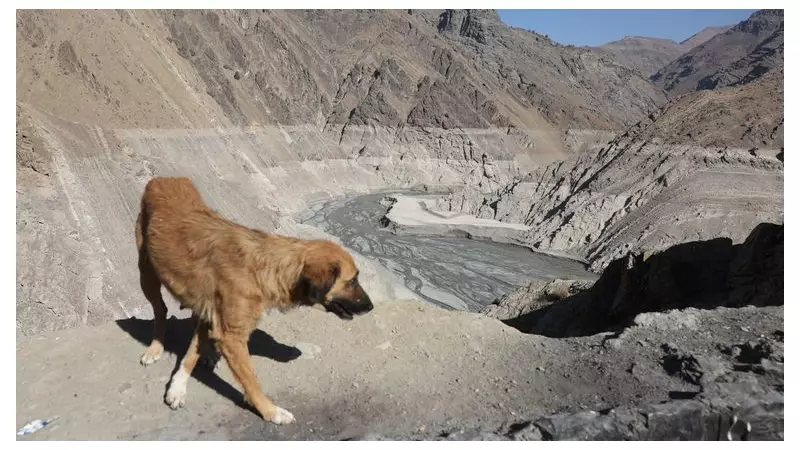
The Iranian capital of Tehran is in a race against time, facing a looming "Day Zero" when its water supplies could run completely dry, potentially forcing the evacuation of parts of the city.
A City on the Brink
Reservoirs that supply water to Tehran's 15 million residents are almost empty. A critical source, the Karaj dam, which provides a quarter of the city's drinking water, is at a perilously low level of just 8% capacity. In response, authorities have begun water rationing in some districts, reducing or even cutting off tap flow overnight.
Iran's President, Masoud Pezeshkian, has issued a stark warning, urging citizens to use water sparingly. The alternative, he indicated, could be the evacuation of the city or significant portions of it.
Climate and Consumption: A Perfect Storm
The immediate trigger is a severe drought. According to Iran's National Weather Forecasting Centre, the period from September to November 2025 was the driest in half a century, with rainfall 89% below the long-term average. This is part of a broader five-year pattern of low rainfall and high heat, exacerbated by climate change.
However, weather is only part of the story. Chronic mismanagement and soaring demand have pushed the system to breaking point. Since 1979, Tehran's population has nearly doubled, but water consumption has quadrupled. Rising prosperity has led to increased use of water-intensive appliances like washing machines.
To cope, the city has increasingly relied on ancient underground aquifers, which now provide 30% to 60% of tap water. This pits the urban population directly against farmers who need the same water for irrigation. Research published in Science Advances reveals that groundwater levels around Tehran are falling by a staggering 101 million cubic metres every year—a resource that took decades to accumulate and will take just as long to replenish.
A Global Warning Signal
Professor Kaveh Madani, a former Iranian environment official now with the UN, describes the situation as "water bankruptcy." He told Sky News the crisis is the product of "decades of bad management, lack of foresight... in a country that is relatively water short."
Tehran's plight is a stark warning to major cities worldwide. Cape Town in South Africa narrowly averted its own "Day Zero" in 2018 through drastic conservation. Closer to home, London, despite its rainy reputation, is also considered at risk due to supply systems struggling to keep pace with population growth and high demand.
The crisis underscores how climate change-induced droughts can expose the fragility of urban water infrastructure, turning a vital resource into a source of profound insecurity for millions.



