
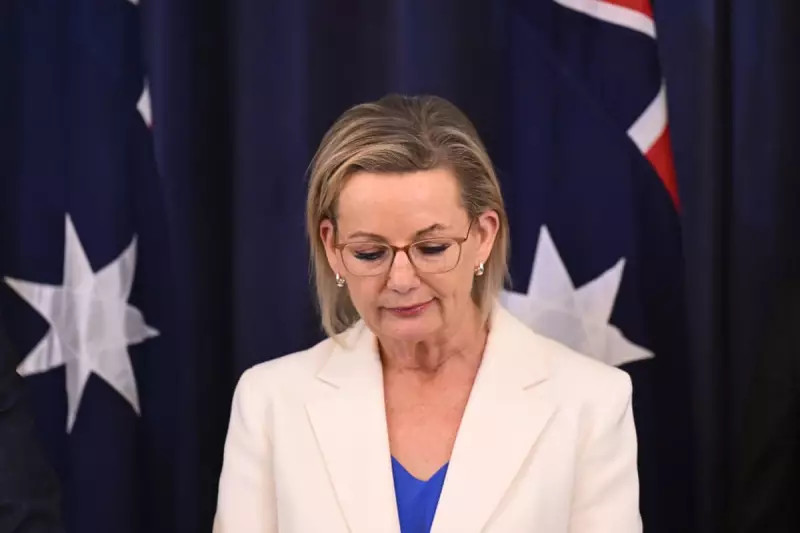
Australia's climate policy direction under Environment Minister Sussan Ley has been handed a damning assessment, with critics arguing the government appears to have learned nothing from past failures. The evaluation comes amid growing concerns about Australia's commitment to meaningful climate action.
A Repeat of Past Mistakes
The current government's approach to climate policy shows alarming parallels with previous unsuccessful strategies. Despite mounting evidence of climate change impacts and international pressure, the core framework for addressing emissions remains fundamentally unchanged. Critics point to continued support for fossil fuel projects and inadequate investment in renewable infrastructure as key indicators of policy failure.
Environmental groups have expressed frustration that the same debates Australia had decades ago are being rehashed without meaningful progress. The lack of ambitious emissions reduction targets and clear transition plans for affected communities has drawn particular criticism from climate scientists and policy experts.
Key Policy Failures Identified
Several specific areas of concern have emerged in the assessment of Ley's climate policy performance. The government's Technology Investment Roadmap has been criticised for over-relying on unproven technologies rather than deploying existing renewable solutions at scale. Meanwhile, Australia's international standing on climate action continues to deteriorate, with the country increasingly isolated among developed nations.
Energy sector analysts note that the policy uncertainty has created investment stagnation in renewable energy projects, potentially delaying Australia's clean energy transition by years. The absence of a coherent plan to manage the decline of fossil fuel industries while supporting workforce transition has also been highlighted as a major oversight.
Consequences for Australia's Future
The failure to develop robust climate policies has significant implications for Australia's economic and environmental future. Australia risks being left behind as global markets increasingly prioritise low-carbon products and investments. Trading partners are implementing carbon border adjustments, which could disadvantage Australian exports if emission reduction efforts remain inadequate.
Domestically, communities are experiencing more frequent and intense climate-related disasters, from bushfires to floods, yet the policy response remains insufficient. The healthcare costs associated with climate impacts and the economic damage from extreme weather events are creating mounting pressure for substantive policy reform.
Environmental organisations and concerned citizens are calling for immediate course correction, urging the government to embrace evidence-based climate policies that match the scale of the challenge. With the next international climate negotiations approaching, Australia faces increasing scrutiny of its commitments and implementation plans.



