The incoming 'super' El Niño, forecast to peak at an unprecedented 4C, will trigger a series of weather catastrophes globally through 2027, with the UK facing heightened flood risks and economic repercussions, according to Bill McGuire, professor emeritus of geophysical and climate hazards at UCL.
Unprecedented Heating in the Equatorial Pacific
El Niño involves a heating of the central and eastern equatorial Pacific ocean, occurring every few years as part of the El Niño southern oscillation cycle, which alternates between warm (El Niño) and cool (La Niña) phases. While El Niños with heating reaching or exceeding 2C are termed 'super,' this event, forecast to top out at 4C later this year, is so large that McGuire suggests 'hyper' might be more fitting.
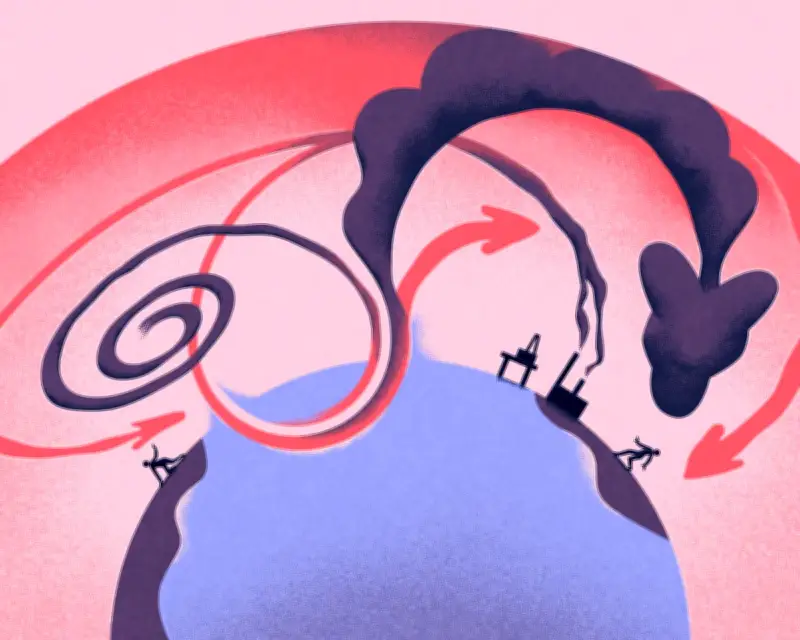
El Niño has existed for hundreds of millions of years, and its impacts have always been disruptive. However, it now occurs amid the most rapid global heating in history, which supercharges its effects, leading to increasingly extreme weather. The duration of both El Niños and La Niñas has steadily increased over the last 7,000 years, and stronger El Niños are becoming more frequent as atmospheric CO2 levels rise.

UK Faces Flooding and Economic Fallout
The Met Office has warned of an increased likelihood of a stormy and wet autumn and early winter in the UK, prompting calls to prepare for serious or even epic flooding. The last big El Niño, in 2015–16, resulted in the most extreme UK floods on record. Stronger winds could also bring down trees weakened by summer drought, and a strong El Niño may bring Arctic air later in winter, though this is uncertain.
Indirect impacts on the UK are likely via the global economy. The 1997–98 super-El Niño, which peaked at 2.4C, caused losses of $5.7tn, compared with $2tn from the 2008 recession. Economic suppression can last up to 14 years after a strong El Niño. The current event is already at 2.7C, suggesting significant impacts on UK food security, cost of living, and economic wellbeing.
Global Impacts: From India to California
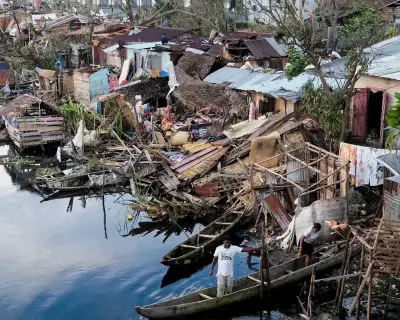
Elsewhere, effects are already felt, with India experiencing its weakest monsoon for 20 years. As El Niño peaks and subsides, the west coast of South America and western US can expect torrential rains, severe flooding, and mudslides. Heatwaves, drought, and wildfires are expected across the Amazon, south and south-east Asia, and much of Australia. Atlantic hurricane activity tends to be damped, but Pacific typhoons are revved up.
California braces for the worst, as past super-El Niños brought some of its wettest periods. El Niño years favour 'atmospheric rivers'—streams of exceptional precipitation—which contributed to the great flood of 1862, submerging a 480km stretch of the Central Valley. The worst-case 'ARkStorm' scenario could flood millions of homes and businesses, damage infrastructure, and cause losses near $1tn, with knock-on effects on tech companies and the global economy.
Long-Term Consequences and Policy Concerns
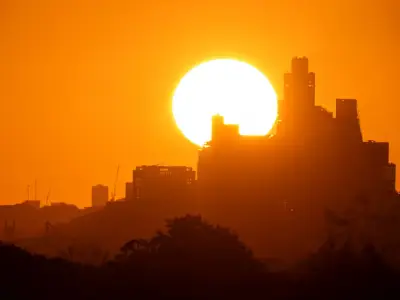
Effects will persist into 2027, likely making next year the hottest ever recorded. The average global temperature could reach at least 1.6C above preindustrial levels, possibly 1.7C or more. Every tonne of CO2 added to the atmosphere strengthens El Niños, but governments continue to row back on green policies, and fossil fuel corporations plan expansion.
As the super-El Niño looms, the UK government advises stocking up on food while preparing to greenlight more North Sea fossil fuel extraction, a contradiction McGuire describes as 'cognitive dissonance.' The coming months will test global preparedness for climate-driven extremes.