
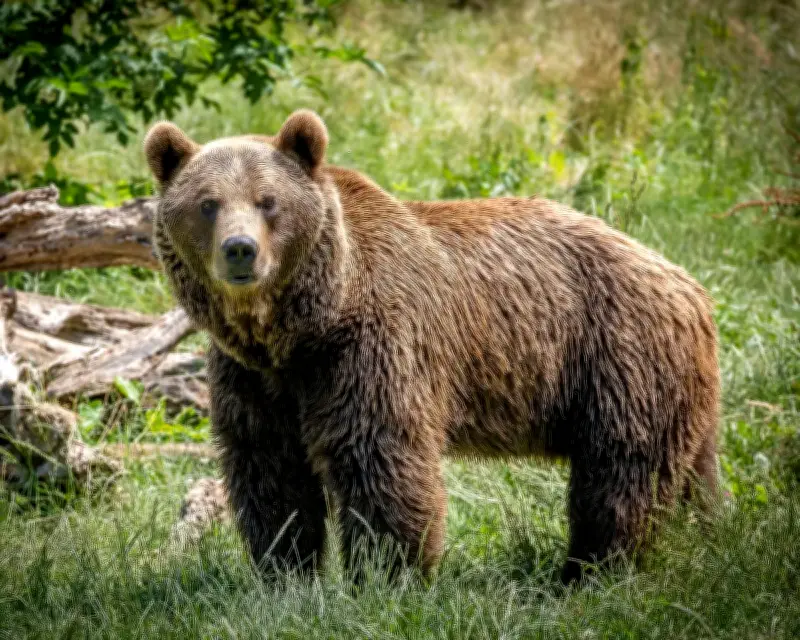
Cantabrian brown bears in Spain's Somiedo natural park have rebounded from the brink of extinction, with the population now estimated at upwards of 500, according to nature guide Luis Frechilla. The species, still classed as endangered until the official count reaches 1,000, has become easier to spot in the park, one of Spain's first protected areas, established in 1988.
From 60 bears to over 500
In the late 1980s, villagers near Pola de Somiedo reported sightings of a mother bear that had lost a leg to a hunter's trap, her two cubs, and two adult males. At that time, the wider population had dropped to about 60 bears across the Cantabrian mountain range, which gives the species its name.
Frechilla, who leads bear-spotting tours, says the recovery is remarkable. During a recent outing, he spotted a juvenile bear almost immediately, though it was too small and distant to determine its sex. Another bear-spotter nearby expressed delight, saying, “Ooh, look at his little ears,” as she watched through binoculars.
Guided tourism and conservation efforts
The Fundación Oso Pardo, a conservation group, has played a major role in the population regrowth. Biologist Alicia Madrid explains that the foundation built bio-corridors with strategic placements of trees and bushes full of bear food. The hunting ban, introduced in 1973, was another key factor. Madrid notes that Cantabrian bears don't hibernate as long or deeply as other brown bears and are generally smaller and lighter than American grizzlies, adapting to the terrain by climbing a lot.
Madrid also highlights the challenge of managing tourists and balancing ecological imperatives with financial incentives. Somiedo natural park is a model of good practice, with much of the bears' territory closed to the public and spotting expeditions permitted only with licensed guides. Nature tourism keeps villagers in jobs where farming culture cannot, proving more sustainable than hunting bears for sport, she says. There has been only one bear attack in recent memory, on an elderly lady who survived after walking between a mother and cubs.
Bear behavior and local cuisine
The bears woke from hibernation only a few weeks before the visit, and their paw prints, bite marks on grasses, and hairs shed against trees are visible on forest trails. They overturn hefty rocks looking for insects, and later in summer they'll find berries, acorns, chestnuts, and carrion.
At the village inn Casa Miño, the traditional cuisine is hearty, reflecting the cold climate and altitude of 1,300 metres. Frechilla says fabada, the famous Asturian stew of white beans, pork belly, and blood sausage, is a winter dish customarily eaten for lunch, too heavy for the body to process later in the day.
Ongoing challenges and a hopeful future
Despite the recovery, life remains tough for the bears. Only 30% of juveniles survive on their own after a year of maternal supervision. In the twilight near La Peral, a mother and her two cubs were seen climbing a slope called El Diente, or “The Tooth,” with the siblings play-fighting on the ridgeline against a white sky.
Frechilla noted that while two males circled each other at a distance, a fight was unlikely: “Maybe later in the season, when they've gained enough weight.” The bears' ongoing baby boom and conservation efforts suggest a stable future, though they remain endangered until the official count hits 1,000.



