Sea-Level Rise Emerges as Global Health Emergency, Lancet Commission Launched
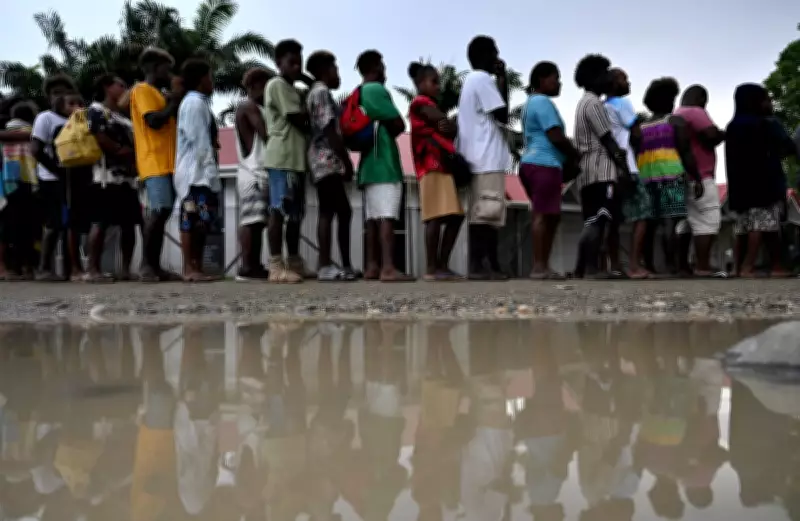
In Honiara, Solomon Islands, seawater laps at the walls of the National Referral Hospital, forcing costly relocation plans. This stark image underscores a growing global crisis: sea-level rise is not just an environmental issue but a profound health threat, impacting billions worldwide. A new Lancet Commission on sea-level rise health and justice, co-chaired by climate leader Christiana Figueres and involving nearly two dozen experts, is set to address this urgent challenge, grappling with questions of accountability and solutions.
Immediate Health Impacts: From Contaminated Water to Disease Spread
One of the most critical consequences is the contamination of freshwater sources. Saltwater intrusion into groundwater supplies compromises drinking water, leading to risks of waterborne diseases like cholera and leptospirosis. Flooding exacerbates this by overwhelming sanitation systems, pushing sewage into water sources. Additionally, human displacements due to rising seas cause overcrowding and poor living conditions, fueling the spread of infectious diseases. Salinated water also contributes to health issues such as hypertension and cardiovascular damage, while crop destruction from salinity leads to malnutrition and livelihood loss.
Gender Inequality and Relocation: Disproportionate Burdens on Vulnerable Groups
Women and girls face heightened risks, as they often bear the responsibility of collecting water. When local supplies are polluted, longer journeys increase exposure to sexual violence and waterborne diseases. During weather events intensified by sea-level rise, crowded emergency shelters can expose them to further dangers, with some avoiding shelters altogether. Pregnant women and children are particularly vulnerable to diseases from contaminated water. Relocation, even when planned, disrupts communities, eroding cultural ties and identity, as seen in Pacific atoll nations like Kiribati and Tuvalu, where ancestral lands are lost.

The Lancet Commission's Mission: Seeking Justice and Solutions
The commission, which includes Dr. Saia Ma'u Piukala, WHO regional director for the western Pacific, will focus on areas where health services are strained by sea-level impacts. By the end of 2027, it aims to present actionable recommendations for governments and institutions. Co-chair Prof. Kathryn Bowen emphasizes the need for empathy, connection, and imagination in addressing this crisis, while stressing that emission reductions are essential. The commission seeks to hold polluting corporations and countries accountable, addressing what many call a "mother of all injustices" for low-lying nations that contributed little to climate change.
With 62% of health infrastructure in 14 Pacific island countries within 500 meters of the coast, the stakes are high. As Dr. Piukala notes, health is a political choice, and the evidence of climate-related harm is irrefutable. The world must act now to mitigate these devastating health impacts.