
Sea-Level Rise: A Health Crisis Demanding Polluter Accountability
Christiana Figueres, former head of the UN climate change convention, asserts that sea-level rise is not merely a distant environmental issue but an intimate and immediate health crisis. She emphasizes that the earliest and harshest impacts are felt by communities who contributed least to the problem, highlighting a profound injustice in the global climate landscape.
The Human Toll of Rising Seas
For years, discussions around sea-level rise have centered on technical aspects like centimetre measurements and coastal infrastructure. However, Figueres reframes this narrative, pointing to tangible health consequences already unfolding. Saltwater intrusion contaminates freshwater supplies, leading to health deterioration. Floods overwhelm sanitation systems, spreading diseases. Inundation of farmland by king tides compromises nutrition. Beyond physical harm, forced displacement inflicts emotional, cultural, and spiritual trauma, eroding safety, dignity, and belonging.
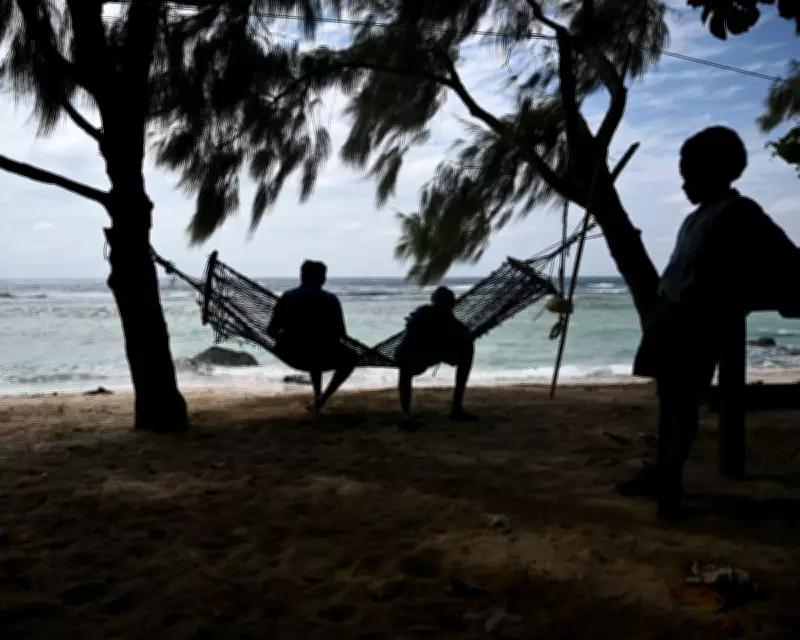
Indigenous communities, in particular, face devastating losses as land represents identity, memory, and kinship. In low-lying coastal regions and small island states across the Pacific, such as Vanuatu, these realities are daily struggles. Figueres notes that coastal erosion and sea-level rise pose massive threats here, with activists like Litiana Kalsrap leading grassroots efforts, such as mangrove planting, to stabilize land and build community resilience despite funding cuts.
Legal and Global Responses
The injustice of climate impacts is driving legal action. Vanuatu, alongside 129 other nations, petitioned the International Court of Justice (ICJ), resulting in a landmark advisory opinion. This unanimous ruling affirms that states have a binding obligation to cooperate on climate change, identifying fossil fuel expansion as a potential wrongful act. It underscores accountability for polluters in an economy still reliant on extraction without responsibility.
Simultaneously, initiatives like the Lancet Commission on Sea-Level Rise, Health and Justice are emerging to bridge disciplines and regions. Supported by the World Health Organization Asia-Pacific Centre for Environment and Health, this commission aims to demonstrate the inseparability of health, justice, and climate impacts. Its research will guide governments and communities in crafting effective responses.
A Path Forward: Accountability and Resilience
Figueres argues against treating sea-level rise as an unavoidable side-effect of business as usual. Instead, she advocates for a paradigm shift that links health, justice, and climate stability, insisting that accountability is non-negotiable. The transition to renewable energy and local actions, such as those in Vanuatu, signal a changing era. Courageous efforts by activists and legal advocates define this decisive decade, offering hope for a more equitable future.
Ultimately, sea-level rise reveals itself as a profoundly human crisis, demanding urgent action to hold polluters accountable and protect vulnerable populations worldwide.



