
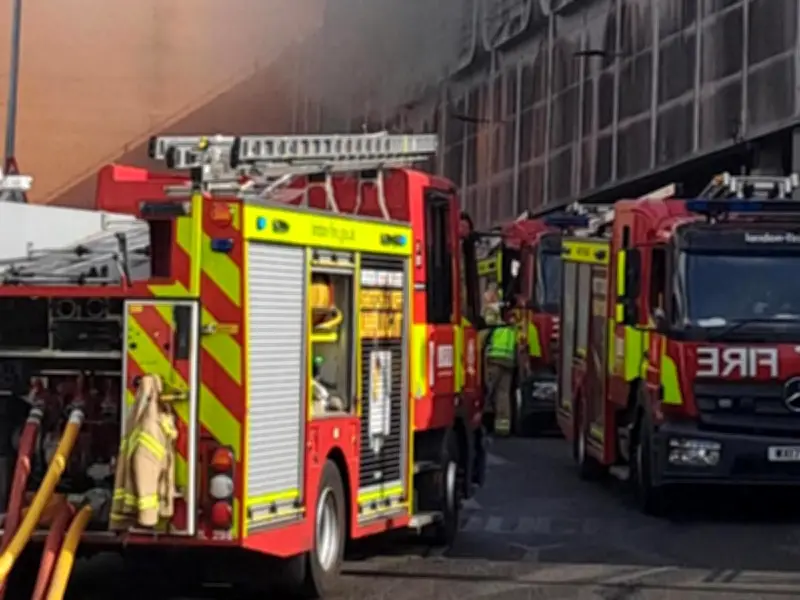
Residents across North London are being urged to dispose of rechargeable batteries responsibly after a fourth fire in a year broke out at the Hornsey Street Waste Transfer Station in Islington. The blaze, which occurred on Tuesday, July 28, caused at least £1 million in damage and required around 15 fire engines and 100 firefighters to bring under control. No injuries were reported, but the incident has intensified concerns about the improper disposal of lithium-ion batteries found in smartphones, laptops, electric toothbrushes, and other devices.
Reopening and immediate response
The facility, operated by the North London Waste Authority (NLWA), reopened on Saturday, August 1, after being shut for several days. The NLWA, which serves over 2 million residents across seven boroughs including Camden, Hackney, Haringey, and Islington, has linked the rising number of fires to damaged lithium-ion batteries igniting due to pressure or high temperatures. A spokesperson described the trend as “worrying” and noted that these batteries can become “as hot as molten lava” when compromised.
“These battery fires are a danger to our staff, force sites to close for days at a time, and the cost of damage is footed by local council taxpayers,” the spokesperson told the Local Democracy Reporting Service (LDRS). The London Fire Brigade (LFB) confirmed there have been four fires at the site since June 2025. One was caused by a cigarette, another involved a refuse lorry and was not investigated, while two—including the July 28 incident—were recorded as “undetermined.” The LFB noted that while they cannot conclusively attribute these fires to batteries, such items are a frequent cause of fires in waste facilities.
Call for stricter regulations
The incident has prompted the NLWA to renew its calls for government intervention in what it terms the “zombie battery” crisis, which it blames for an estimated 200 fires per year at UK recycling centres. Under current law, batteries sold in the UK must carry labels instructing users not to dispose of them in general household waste. However, the NLWA argues that enforcement is insufficient and that manufacturers need to be held more accountable.
The Lithium-ion Battery Safety Bill, introduced to the House of Lords in 2024 and still under debate, aims to tighten regulations. If passed, it would require conformity assessments for electric-powered micro-mobility vehicles and their batteries before they can be sold, and would force online platforms to block non-compliant products. Sellers would also have to display prominent warnings about the dangers of improper disposal.
Local impact and resident guidance
Islington Council Leader Una O’Halloran linked Tuesday’s fire to a similar incident on Christmas Eve 2025, when a battery combusted after being crushed by a loading vehicle. That fire drew around 60 firefighters and caused extensive damage to essential site equipment. In a statement, O’Halloran said: “I am asking all residents to play their part by recycling batteries separately, using dedicated recycling points for small electrical items, and returning vapes through retailer take-back schemes wherever possible.”
The NLWA is urging residents to use dedicated battery recycling points or book council collections rather than binning batteries. The authority emphasizes that even small items like electric toothbrushes and vapes contain lithium-ion batteries that must be handled separately. The cost of fire damage, they stress, ultimately falls on local taxpayers.



