
Portugal's Interior Minister Steps Down Amid Fury Over Storm Response
Portugal's interior minister, Maria Lúcia Amaral, has been compelled to resign following widespread public outrage over her management of a severe climate crisis. The country is now under intense pressure to develop robust adaptation plans as it endures an unprecedented series of storms, which have resulted in at least 16 fatalities and left tens of thousands without electricity.
Unprecedented Weather Devastation Across the Nation
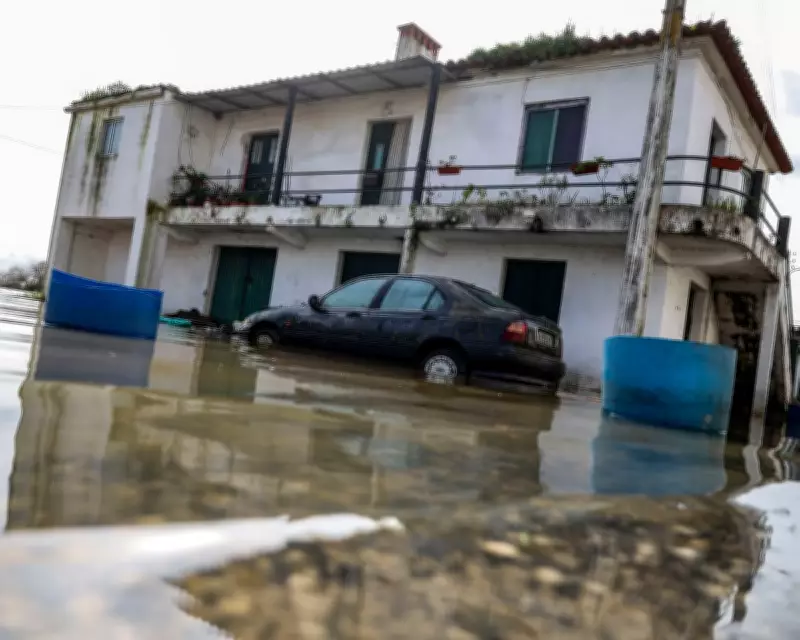
More than 3,000 individuals were evacuated from the Coimbra region in central Portugal on Wednesday as the Mondego River surged to critical levels. In a dramatic turn, a section of the nation's primary motorway, the A1, collapsed after a dyke on the Mondego failed under the immense pressure of floodwaters. Since late January, what scientists describe as the longest train of storms within living memory has displaced hundreds more people across Portugal, severely impacting central and southern areas.
The extreme weather has cut off power to approximately 39,000 residents and inflicted an estimated €775 million in damages. Homes and businesses have been destroyed, compounding the humanitarian toll. Amaral announced her resignation on Tuesday, citing a lack of personal and political conditions necessary to carry out her duties amid mounting anger.
Experts Warn of Inadequate Climate Preparedness
As the storms persist, scientists and climate experts have sharply criticized Portugal's failure to adapt to the increasing frequency of extreme weather events plaguing the Iberian peninsula. Pedro Matos Soares, an atmospheric physicist, emphasized during a University of Lisbon conference that the country remains unprepared for current and future climate realities. We are not prepared for the present climate, much less for the future, he stated, highlighting outdated land-use planning rooted in 19th and early 20th-century climate norms.
Nuno Martins, a professor of architecture and climate change adaptation, reported that several storm victims died while attempting roof repairs with donated tarpaulins in central Portugal, with hundreds more injured in falls. His NGO, Building 4Humanity, has volunteered in the region and created a safety manual for roof repairs, but local authorities rejected distributing it, citing complications. Martins lamented this as a preventable human tragedy, noting ongoing risks to life and limb.
Political Fallout and Regional Impacts
The centre-right government, led by Prime Minister Luís Montenegro, faces sustained criticism over its handling of the emergency. José Luís Carneiro, general secretary of the opposition socialist party, declared the minister's resignation proof of governmental failure. Far-right leader André Ventura, who placed second in recent presidential elections, accused Montenegro of incompetence in managing crises, from fires to storms.
Neighbouring Spain is also grappling with the extreme weather, with its state meteorological office issuing orange and red warnings for the northern coast, predicting waves up to nine meters tall. In Catalonia, schools closed, dozens of flights at Barcelona's El Prat airport were cancelled, and one person was seriously injured by a falling tree, with 24 others hurt. Authorities urged residents to stay indoors, praising emergency services for mitigating the storm's impact.
The crisis underscores a broader European challenge, as Portugal and Spain confront the urgent need for climate adaptation strategies to safeguard communities against escalating environmental threats.



