
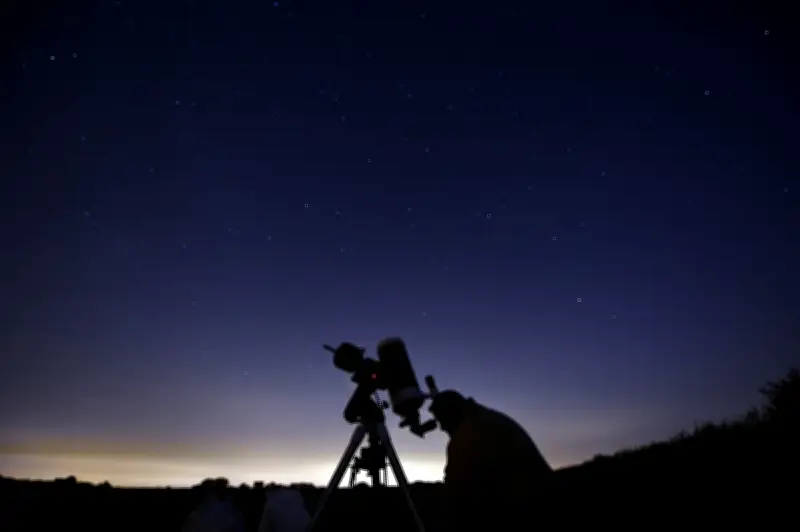
The Perseid meteor shower, one of the most anticipated celestial events of the year, will reach its peak on the night of August 12-13, 2025. During this peak, skywatchers can expect to see up to 100 meteors per hour, according to the Royal Astronomical Society. The shower is active from mid-July to late August, but the best viewing opportunities occur during the peak nights.
What Causes the Perseid Meteor Shower?
The Perseids are caused by debris from the comet Swift-Tuttle, which last passed through the inner solar system in 1992. As Earth travels through the comet's debris trail, particles enter the atmosphere at speeds of about 59 kilometers per second, burning up and creating bright streaks of light. The shower appears to radiate from the constellation Perseus, hence its name.
Dr. Emily Brunsden, an astrophysicist at the University of York, explained, "The Perseids are one of the most reliable meteor showers of the year, and this year's peak coincides with a new moon, providing dark skies ideal for viewing." The new moon occurs on August 11, 2025, meaning the moon will not interfere with meteor visibility.
Best Time and Place to Watch
For optimal viewing, experts recommend finding a location away from city lights, such as a rural area or a dark-sky park. The meteors are best seen after midnight, when the radiant point is higher in the sky. Observers should allow their eyes to adjust to the darkness for at least 20 minutes and lie flat on their backs to get a wide view of the sky.
In the UK, the National Trust has announced that several of its properties will host special stargazing events during the peak. These events are free to attend, but booking is recommended due to limited capacity. Additionally, the Royal Observatory Greenwich will stream a live broadcast of the meteor shower on its website, allowing those unable to go outside to watch from home.
Impact of Light Pollution and Weather
Light pollution is a significant factor affecting meteor visibility. Urban areas may only show the brightest meteors, while dark-sky locations can reveal fainter streaks. The Met Office forecasts clear skies for much of the UK on the peak nights, which should enhance viewing conditions. However, cloud cover could hamper observations in some regions, so viewers are advised to check local forecasts.
For those who miss the peak, the Perseids will continue to be visible at reduced rates until around August 24, 2025. After that, the next major meteor shower, the Orionids, will peak in October.



